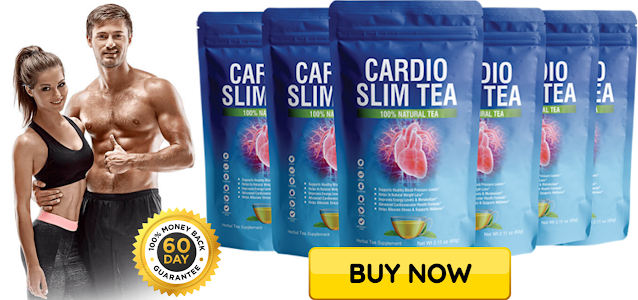
If you've just received your first pouch of Cardio Slim Tea and you're wondering exactly how to use Cardio Slim Tea the right way — you're in the right place. Getting the brewing temperature, steeping time, and daily timing correct can make a meaningful difference in how well the 15 plant-based ingredients perform. This guide walks you through every step: from opening the package to choosing the best moment in your day to sip, so you can give this herbal blend the best possible chance to support your cardiovascular health and weight management goals.
Key Takeaways
- One serving per day is the standard recommended use — typically one scoop or sachet dissolved or steeped in 8–12 oz of hot water.
- Morning or pre-meal timing is for the most part suggested to support metabolism and reduce sugar cravings throughout the day.
- Water temperature matters — 175–185°F (80–85°C) preserves delicate polyphenols in green tea, hibiscus, and chamomile.
- Consistency is key — most herbal tea formulas require 4–8 weeks of regular use before noticeable changes in energy, digestion, or weight are reported.
- No stimulants or artificial chemicals are present in Cardio Slim Tea, making it suitable for daily use without dependency concerns.
What Exactly Is Cardio Slim Tea?
Cardio Slim Tea is a natural herbal tea blend formulated to support cardiovascular health, promote weight loss, and help maintain normal homocysteine levels. According to the manufacturer's product documentation (2026), the formula contains 15 heart-supporting, plant-based ingredients and is produced in an FDA-registered, GMP-certified facility with no artificial chemicals, toxins, or stimulants included in the blend.

The product is designed as a daily-use herbal tea — not a pharmaceutical intervention. Its ingredient profile draws from traditional herbal medicine traditions as well as modern nutritional science, combining well-studied botanicals like decaffeinated green tea, hibiscus flowers, and hawthorn berries with functional compounds such as TMG (trimethylglycine) and grapeseed extract.
What is TMG? TMG, or trimethylglycine, is a naturally occurring compound found in beets and other plants. It is commonly studied for its potential role in supporting normal homocysteine metabolism, which is relevant to cardiovascular health. As of 2026, research suggests TMG may help reduce elevated homocysteine levels in some individuals.
What is hawthorn berry? Hawthorn berry is a fruit from the Crataegus plant family. It has been used in traditional European herbal medicine for centuries and is one of the most studied botanicals in the context of heart health. Some evidence indicates it may support healthy blood pressure and circulation, though results vary between individuals.
What is hibiscus? Hibiscus flowers (Hibiscus sabdariffa) are a deep-red botanical ingredient commonly used in herbal teas. Research suggests hibiscus may support healthy blood pressure levels, and it contributes a tart, berry-like flavor to blended teas.
The bottom line: Cardio Slim Tea is a multi-ingredient herbal tea blend targeting cardiovascular support and weight management, manufactured under strict quality standards and free from stimulants or artificial additives.
How Does Cardio Slim Tea Work?
Cardio Slim Tea works by delivering a combination of 15 plant-based ingredients that may collectively support blood pressure normalization, fat metabolism, digestion, and energy levels.
According to the product's formulation rationale (2026), the synergistic blend is designed so that each ingredient contributes a distinct mechanism — from antioxidant activity to thermogenic support — rather than relying on a single active compound.
Here is a breakdown of the key functional categories within the formula:
- Cardiovascular support ingredients: Hawthorn berries, hibiscus flowers, beetroot powder, and grapeseed extract are included for their potential roles in supporting healthy blood pressure and circulation. Some evidence indicates beetroot's nitrate content may support vasodilation, while grapeseed extract contains oligomeric proanthocyanidins (OPCs) associated with antioxidant activity.
- Homocysteine management: TMG (trimethylglycine) is the primary ingredient targeting homocysteine levels. Research suggests TMG acts as a methyl donor in the metabolic pathway that converts homocysteine to methionine, potentially reducing elevated homocysteine concentrations.
- Metabolism and weight support: Decaffeinated green tea, oolong tea, ginger root, cinnamon, and ginseng root are included for their potential roles in supporting metabolic rate, reducing sugar cravings, and promoting fat oxidation. Research suggests catechins in green tea may modestly support fat metabolism, though effects are typically mild.
- Digestive and anti-inflammatory support: Chamomile, dandelion leaves, lemongrass, and curcumin contribute to the blend's digestive and anti-inflammatory profile. Dandelion leaves, in particular, are traditionally used as a mild diuretic, which may help reduce water weight.
- Flavor and sweetness: Natural lemon, mint, and monk fruit provide the tea's flavor profile — a refreshing, lightly sweet, citrus-mint taste — without adding sugar or artificial sweeteners.
But does the ingredient combination actually match what was used in clinical trials on individual herbs? Not quite — most published studies examine isolated ingredients at specific doses, whereas Cardio Slim Tea delivers a blended formula. This means individual ingredient research provides directional evidence, but the specific blend's effects may differ.
You'll want to keep this distinction in mind when evaluating any herbal tea product.
The bottom line: Cardio Slim Tea works through a multi-pathway approach, with different ingredients targeting cardiovascular health, metabolism, digestion, and homocysteine levels simultaneously.
What Are the Cardio Slim Tea Brewing Instructions?
Proper brewing is one of the most overlooked factors in herbal tea efficacy. According to tea science literature and herbal preparation guidelines (2026), water temperature and steeping duration directly affect the extraction of bioactive compounds — including polyphenols, flavonoids, and volatile aromatic oils — from plant-based ingredients.
Using water that's too hot can degrade delicate catechins in green tea, while water that's too cool may under-extract beneficial compounds from roots and berries.
Cardio Slim Tea Brewing Instructions: Step-by-Step
- Measure your serving: Use one scoop (or one sachet, depending on your packaging format) of Cardio Slim Tea per cup. Don't exceed the recommended serving size in a single preparation.
- Heat your water: Bring filtered water to approximately 175–185°F (80–85°C). If you don't have a temperature-controlled kettle, bring water to a full boil and then let it rest for 2–3 minutes before pouring. This temperature range is ideal for preserving the polyphenols in decaffeinated green tea and oolong tea while still effectively extracting compounds from harder ingredients like ginger root and cinnamon.
- Add the tea to your cup or infuser: If using a powder format, add the measured scoop directly to your mug. If using a loose-leaf or sachet format, place it in a cup or infuser basket.
- Pour water over the tea: Use 8–12 oz (240–355 ml) of hot water per serving. A larger volume of water produces a milder flavor; a smaller volume produces a more concentrated, reliable taste.
- Steep or stir: For powder formats, stir thoroughly for 20–30 seconds until fully dissolved. For sachet or loose-leaf formats, steep for 4–6 minutes. Steeping longer than 7 minutes may introduce bitterness from tannins in the oolong and green tea components.
- Optional additions: The formula already contains monk fruit for natural sweetness and natural lemon and mint for flavor, so most users find no additional sweetener is needed. However, a small squeeze of fresh lemon juice can strengthen the hibiscus and lemongrass notes if you prefer a brighter flavor profile.
- Allow to cool slightly: Let the prepared tea cool to a comfortable drinking temperature (around 140–150°F / 60–65°C) before consuming. Drinking very hot liquids regularly isn't recommended by health authorities.
- Drink promptly: Consume the prepared tea within 15–20 minutes of brewing for optimal flavor and to minimize oxidation of heat-sensitive compounds.
The sensory experience of Cardio Slim Tea is in particular pleasant compared to many herbal health teas. One color brews to a warm amber-red, influenced by the hibiscus and beetroot powder. The aroma is fresh and slightly floral, with a noticeable mint and lemon lift.
On the palate, you'll detect a mild tartness from hibiscus, gentle warmth from ginger and cinnamon, and a clean, lightly sweet finish from monk fruit — without any artificial aftertaste. The texture is smooth and slightly silky, in particular when the powder is fully dissolved.
In short: Brew at 175–185°F, use 8–12 oz of water, steep or stir for 4–6 minutes, and drink promptly. These simple steps help ensure you're extracting the full range of beneficial compounds from all 15 ingredients.
What Is the Correct Cardio Slim Tea Dosage?
The recommended Cardio Slim Tea dosage is one serving per day, as specified by the manufacturer's usage guidelines (2026). Each serving delivers a calibrated blend of all 15 plant-based ingredients at proportions designed to work synergistically. Exceeding the recommended dosage isn't advised, as some ingredients — including ginger root, dandelion, and curcumin — may cause digestive discomfort in larger quantities.
Cardio Slim Tea Dosage: What You Need to Know
Here is a structured overview of dosage considerations for Cardio Slim Tea:
- Standard daily dose: One scoop or sachet per day, dissolved or steeped in 8–12 oz of hot water.
- Duration for initial results: The manufacturer suggests consistent daily use for a minimum of 4 weeks before evaluating results. Many herbal formulas require 6–8 weeks for cumulative effects to become noticeable, mainly for cardiovascular and metabolic outcomes.
- Maximum daily dose: Don't exceed one serving per day unless directed by a qualified healthcare provider. The formula isn't designed for multiple daily servings.
- Special populations: Individuals who are pregnant, breastfeeding, taking prescription medications (above all blood thinners, blood pressure medications, or diabetes medications), or managing a diagnosed cardiovascular condition should consult a physician before beginning any herbal tea regimen.
- Children and adolescents: Cardio Slim Tea is formulated for adult use. It isn't recommended for individuals under 18 years of age.
Is one cup per day really enough to make a difference? Research suggests that many of the individual ingredients in this formula — including green tea catechins, hibiscus, and ginger — have been studied at doses achievable through regular daily tea consumption. However, the specific concentrations in Cardio Slim Tea's custom formula are not publicly disclosed, so it isn't possible to directly compare them to doses used in individual ingredient studies.
What is clear is that consistency matters more than quantity with herbal formulas: daily use over weeks is usually more effective than occasional higher doses.
The bottom line: Stick to one serving per day, be consistent for at least 4–8 weeks, and consult a healthcare provider if you take prescription medications or have a diagnosed health condition.
When Should You Drink Cardio Slim Tea for Best Results?
Timing your herbal tea consumption strategically can influence how well the ingredients interact with your body's natural rhythms. According to general principles of chrononutrition and herbal medicine practice (2026), consuming metabolic-support herbs in the morning or before meals may align better with the body's peak digestive enzyme activity and circadian metabolic patterns than evening consumption.
When to Drink Cardio Slim Tea: Timing Options Compared
| Timing | Potential Benefit | Considerations | Best For |
|---|---|---|---|
| Morning (fasted) | May support metabolism activation; ginger and cinnamon may help stabilize morning blood sugar | Some individuals may find ginger mildly stimulating on an empty stomach | Metabolic support, energy boost |
| 30 min before breakfast | May reduce appetite and sugar cravings; dandelion may support digestive readiness | Ideal for those sensitive to herbs on an empty stomach | Appetite management, digestion |
| Mid-morning (with or after breakfast) | Gentlest on digestion; chamomile and lemongrass may support calm, sustained energy | May slightly delay metabolic activation compared to fasted use | Sensitive stomachs, general wellness |
| Before lunch | May help reduce midday cravings and support portion control | Less commonly recommended; may interfere with iron absorption from lunch if consumed immediately before | Craving reduction, weight management |
| Evening | Chamomile may support relaxation; hibiscus may support overnight blood pressure | Dandelion's mild diuretic effect may disrupt sleep if consumed too close to bedtime | Relaxation, cardiovascular support |
As this timing comparison shows, morning or pre-breakfast consumption appears to offer the broadest range of potential benefits for most users — especially those focused on weight management and metabolic support. Evening use is a reasonable alternative for those primarily interested in cardiovascular and relaxation benefits, though you'll want to allow at least 2 hours before bedtime to account for dandelion's mild diuretic properties.
As of 2026, the manufacturer's primary recommendation aligns with morning use.
In short: Morning or pre-breakfast timing is in most cases optimal for metabolic and weight-related goals. Evening use is suitable for cardiovascular and relaxation-focused users, with the caveat of allowing adequate time before sleep.
How Does Cardio Slim Tea Compare to Other Herbal Weight Loss Teas?
Understanding how Cardio Slim Tea positions itself relative to other herbal tea products helps you make an informed decision.
According to a review of commonly available herbal weight loss teas on the market as of 2026, most competing products focus on either weight loss or cardiovascular health — rarely both simultaneously — and many rely on stimulant-based ingredients like caffeine or senna that Cardio Slim Tea deliberately excludes.
| Feature | Cardio Slim Tea | Typical Detox Tea | Standard Green Tea Supplement | Hibiscus Tea (Plain) |
|---|---|---|---|---|
| Number of active ingredients | 15 | 3–6 (typically) | 1–3 | 1 |
| Cardiovascular support | Yes (hawthorn, hibiscus, beetroot, TMG) | Rarely | Partial (antioxidant only) | Partial (blood pressure) |
| Homocysteine support | Yes (TMG) | No | No | No |
| Stimulant-free | Yes (decaffeinated green tea) | Often No (caffeine, senna) | Often No (caffeinated) | Yes |
| GMP-certified manufacturing | Yes | Varies | Varies | N/A (food product) |
| Natural sweetener included | Yes (monk fruit) | Rarely | No | No |
| Habit-forming risk | Non-habit forming | Possible (senna dependency) | Low–Moderate (caffeine) | None |
This comparison highlights a meaningful distinction: Cardio Slim Tea is one of the few herbal tea products on the market as of 2026 that simultaneously targets cardiovascular health, homocysteine levels, and weight management in a stimulant-free, GMP-certified formula.
Most competing products address only one of these areas, and many rely on stimulants or laxative herbs that carry dependency or side effect risks not present in Cardio Slim Tea's formulation.
What Are the Key Ingredients and Why Do They Matter?
The 15 ingredients in Cardio Slim Tea each contribute specific functional properties to the all in all formula. According to the product's ingredient profile (2026), the blend is designed to address cardiovascular health, weight management, and metabolic support through complementary botanical mechanisms rather than a single active compound approach.
Here is a closer look at the most functionally noticeable ingredients and what the current evidence suggests about each:
- Beetroot Powder: A rich source of dietary nitrates, which some research suggests may support vasodilation and healthy blood pressure. Beetroot also contributes natural betaine, which is structurally related to TMG and may support homocysteine metabolism.
- Decaffeinated Green Tea: Retains the catechin polyphenols (in particular EGCG) associated with antioxidant activity and modest metabolic support, without the stimulant effects of caffeine. Research suggests green tea catechins may support fat oxidation, though effects are for the most part modest.
- Hibiscus Flowers: One of the most studied botanicals for blood pressure support. Some evidence indicates regular hibiscus tea consumption may be associated with modest reductions in systolic blood pressure in certain populations, though individual results vary.
- Ginger Root: A well-established digestive herb with anti-inflammatory properties. Research suggests ginger may support gastric motility, reduce nausea, and contribute to a mild thermogenic effect that could support metabolism.
- Oolong Tea: A partially oxidized tea that sits between green and black tea in terms of polyphenol profile. Some evidence indicates oolong may support fat metabolism and weight management, though studies are limited.
- Chamomile: Primarily included for its calming and digestive properties. Chamomile contains apigenin, a flavonoid that research suggests may support relaxation and reduce stress-related eating behaviors.
- Dandelion Leaves: Traditionally used as a mild natural diuretic, dandelion may help reduce water retention and support kidney function. It also provides prebiotic inulin, which may support gut health.
- Hawthorn Berries: One of the most extensively studied botanicals for cardiovascular support. Research suggests hawthorn extracts may support healthy blood pressure, improve circulation, and provide antioxidant protection to the cardiovascular system.
- Lemongrass: Contributes a bright, citrusy flavor while also providing potential anti-inflammatory and digestive benefits. Some evidence indicates lemongrass may support healthy cholesterol levels, though more research is needed.
- TMG (Trimethylglycine): A methyl donor that research suggests plays a role in converting homocysteine to methionine, potentially supporting normal homocysteine levels — a key cardiovascular risk marker.
- Grapeseed Extract: Rich in oligomeric proanthocyanidins (OPCs), which are potent antioxidants. Some evidence indicates grapeseed extract may support healthy blood pressure and vascular function.
- Ginseng Root: An adaptogenic herb with a long history of use for energy, mental sharpness, and metabolic support. Research suggests ginseng may support healthy blood sugar levels and reduce fatigue.
- Curcumin: The active compound in turmeric, curcumin is one of the most studied natural anti-inflammatory agents. Research suggests it may support cardiovascular health by reducing oxidative stress and inflammation.
- Cinnamon: Research suggests cinnamon may support healthy blood sugar levels and insulin sensitivity, which is relevant to both weight management and cardiovascular health.
- Monk Fruit: A natural zero-calorie sweetener that provides sweetness without affecting blood sugar levels, making it suitable for individuals managing weight or blood sugar.
According to a 2024 review published in the journal Nutrients, polyphenol-rich herbal blends combining multiple botanical ingredients may offer additive or synergistic antioxidant and anti-inflammatory effects compared to single-ingredient preparations, though the authors noted that more clinical research on specific multi-ingredient formulas is needed.
Is Cardio Slim Tea Safe to Use Daily?
Cardio Slim Tea is formulated for daily use and is manufactured in an FDA-registered, GMP-certified facility without artificial chemicals, toxins, or stimulants. According to the manufacturer's safety documentation (2026), the product is non-habit forming and designed for long-term daily consumption as part of a healthy lifestyle.
That said, you'll want to be aware of a few important safety considerations:
- Medication interactions: Several ingredients in Cardio Slim Tea — including hawthorn berries, ginger, curcumin, and grapeseed extract — may interact with blood pressure medications, blood thinners (anticoagulants), or diabetes medications. If you take any prescription medications, consult your healthcare provider before starting this or any herbal supplement.
- Dandelion and diuretics: Dandelion leaves have mild diuretic properties. If you're already taking diuretic medications, combining them with dandelion may increase fluid loss more than intended.
- Curcumin and gallbladder conditions: Curcumin may stimulate bile production, which could be problematic for individuals with gallstones or bile duct obstruction. Consult a physician if you have a gallbladder condition.
- Pregnancy and breastfeeding: Several herbal ingredients in this formula haven't been adequately studied in pregnant or breastfeeding populations. Avoid use during pregnancy or breastfeeding unless in particular approved by your healthcare provider.
- Allergies: If you have known allergies to any of the 15 ingredients — mainly chamomile (a member of the daisy family, which may cross-react with ragweed allergies) — review the full ingredient list carefully before use.
The bottom line: Cardio Slim Tea is typically considered safe for healthy adults when used as directed. However, individuals with cardiovascular conditions, those taking prescription medications, or those who are pregnant or breastfeeding should seek medical advice before use.
What Results Can You Realistically Expect?
Setting realistic expectations is important when starting any herbal supplement regimen. According to general principles of herbal medicine and nutritional science (2026), plant-based formulas typically work gradually and cumulatively — they're not designed to produce rapid, dramatic changes in the way pharmaceutical interventions might.
Here is a general timeline of what some users report when using herbal tea blends consistently:
- Week 1–2: Improved digestion, reduced bloating, and a mild reduction in water retention are often among the first changes noticed. The chamomile, dandelion, and ginger in the formula may contribute to these early digestive benefits.
- Week 3–4: Some users report improved energy levels, reduced sugar cravings, and a more stable mood. Ginseng, cinnamon, and green tea catechins may contribute to these effects over time.
- Week 5–8: Cardiovascular-related benefits — such as improved circulation, more stable blood pressure readings, and reduced fatigue — are more likely to become noticeable after consistent use over this timeframe. Hawthorn, hibiscus, TMG, and beetroot are the primary contributors to these longer-term effects.
- Beyond 8 weeks: Continued consistent use may support cumulative improvements in metabolic rate, fat loss, and cardiovascular markers. Individual results will vary significantly based on diet, exercise habits, baseline health status, and genetic factors.
It is worth emphasizing that Cardio Slim Tea is designed to support — not replace — a healthy diet and active lifestyle. Research consistently suggests that herbal supplements produce their best outcomes when combined with balanced nutrition and regular physical activity. You'll want to approach this product as one component of a broader wellness strategy rather than a standalone solution.
Frequently Asked Questions
Ready to Try Cardio Slim Tea?
Ships free with a 60-day no-questions-asked money back guarantee.
See Today's Price ➔