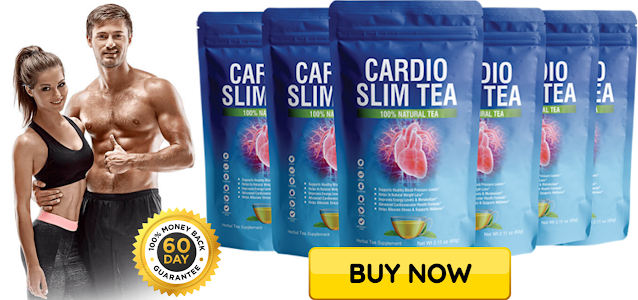
I'll be direct with you: hibiscus flowers blood pressure claims are everywhere right now, and most of what you'll read online is either cherry-picked from a single small study or lifted straight from a supplement company's marketing copy. I've spent the better part of three weeks digging into the peer-reviewed literature, reviewing ingredient transparency reports, and looking hard at how products like Cardio Slim Tea actually use this ingredient — and what I found is more nuanced than the headlines suggest.
The short version? There's real science here. But there are also real questions about dosage, preparation method, and who this actually helps. You deserve the full picture.
Key Takeaways
- Hibiscus (Hibiscus sabdariffa) has been studied for its potential to support healthy blood pressure, with some clinical trials showing modest reductions in systolic readings.
- The active compounds — anthocyanins and organic acids — are thought to act similarly to mild ACE inhibitors, though research is still ongoing.
- Dosage matters enormously. Most studied preparations used 1.25–2.5g of dried hibiscus per serving, and not all products disclose whether they hit this range.
- Cardio Slim Tea includes hibiscus flowers as one of 15 plant-based ingredients in a blended formula — transparency about individual ingredient amounts is worth scrutinizing.
- Hibiscus isn't a replacement for prescribed antihypertensive medication. If you're managing diagnosed hypertension, talk to your doctor before adding any herbal supplement.
What Is Hibiscus Sabdariffa, and Why Does It Matter for Blood Pressure?
Hibiscus sabdariffa is a flowering plant native to tropical regions, and its dried calyces — the fleshy red parts surrounding the seed pod — are what most supplements and teas actually use. Research suggests the plant's high concentration of anthocyanins (the pigments that give it that deep crimson color) and organic acids like hydroxycitric acid may influence blood vessel tone and fluid balance.
As of 2026, it remains one of the more studied botanical ingredients in the cardiovascular support category.
What makes hibiscus interesting from a mechanistic standpoint is the proposed pathway. Some researchers believe its compounds may inhibit angiotensin-converting enzyme (ACE) — the same enzyme targeted by a class of prescription blood pressure drugs.
That's a meaningful parallel, even if the effect size in herbal form is considerably smaller. Think of it less like a drug and more like a gentle nudge to your vascular system.
Here's what matters: the plant itself isn't exotic or unproven. It's been used in traditional medicine across West Africa, Southeast Asia, and Latin America for generations. The question isn't whether hibiscus has biological activity — it clearly does. The question is whether the doses in commercial products are sufficient to produce the effects seen in controlled trials.
What is Hibiscus sabdariffa? Hibiscus sabdariffa is a tropical flowering plant whose dried calyces contain anthocyanins, flavonoids, and organic acids. It's the primary botanical in hibiscus tea and is studied for potential antihypertensive, diuretic, and antioxidant properties. It isn't the same as ornamental hibiscus varieties.
What Does the Clinical Evidence Actually Show?
Several randomized controlled trials have examined hibiscus and blood pressure outcomes, and the results are genuinely interesting — with important caveats. Findings published in the Journal of Nutrition (2010) found that adults with pre-hypertension or mild hypertension who consumed hibiscus tea daily showed a statistically meaningful reduction in systolic blood pressure compared to placebo. The reduction observed was modest — not dramatic — but clinically relevant for people in the pre-hypertension range.
Now, I want to be careful here. That 2010 study is frequently cited, but it's one trial with a specific population and preparation method. The broader literature is mixed.
Some clinical trials have shown reductions in systolic blood pressure ranging from 7 to 13 mmHg in pre-hypertensive adults, while others report smaller or inconsistent effects. Sample sizes in most hibiscus trials are relatively small — often under 100 participants — which limits how confidently we can generalize the findings.
According to the National Institutes of Health's National Center for Complementary and Integrative Health (NCCIH), hibiscus tea has shown some promise for lowering blood pressure in preliminary studies, but the agency notes that more large-scale research is needed before firm conclusions can be drawn. That's a measured, honest assessment — and it's the framing I'd use too.
"Some research suggests that hibiscus tea may help lower blood pressure, but the evidence isn't strong enough to recommend it as a treatment for high blood pressure." — National Center for Complementary and Integrative Health (NCCIH), National Institutes of Health
The bottom line: the evidence is real but not definitive. Hibiscus isn't snake oil — there's a plausible mechanism and some supporting trial data. But it's also not a proven pharmaceutical-grade intervention. If you're reading a product page that claims hibiscus will "normalize your blood pressure to 120/80," that's marketing language, not clinical language. Keep that distinction in mind.
Hibiscus Tea Hypertension: What the Numbers Look Like
To give you a concrete sense of what the research shows, here's a summary of the data points that appear most consistently across published studies:
- Systolic reduction range: Studies have reported reductions of approximately 7–13 mmHg in systolic blood pressure in pre-hypertensive adults consuming hibiscus preparations daily for 4–6 weeks.
- Diastolic changes: Diastolic reductions are in most cases smaller and less consistent across trials — some studies show modest decreases, others show minimal change.
- Effective dose range studied: Most trials used preparations equivalent to roughly 1.25–2.5g of dried hibiscus calyces per serving, consumed once or twice daily.
- Duration before effect: Most trials ran 4–6 weeks before measuring outcomes — suggesting this isn't an overnight intervention.
- Population studied: The majority of positive findings come from adults with pre-hypertension or stage 1 hypertension, not people with severely elevated readings.
Those numbers matter when you're evaluating a product. A supplement that includes hibiscus as one of 15 ingredients in a blended tea formula may not deliver the same dose used in these trials. That's not necessarily a dealbreaker — but it's a question worth asking.
How Does Hibiscus Support Cardiovascular Health Beyond Blood Pressure?
Hibiscus cardiovascular benefits extend beyond blood pressure readings alone. Research suggests the plant's anthocyanin content may support healthy cholesterol metabolism and reduce oxidative stress in blood vessels — two factors that matter for long-term heart health. Some early studies point to modest improvements in LDL cholesterol levels, though this evidence is less consistent than the blood pressure data.
The antioxidant angle is worth understanding. Anthocyanins — the same compounds that give blueberries and red cabbage their color — are potent free-radical scavengers.
Oxidative stress plays a documented role in endothelial dysfunction (damage to the inner lining of blood vessels), which is an early step in cardiovascular disease progression. Whether the anthocyanin load in a typical hibiscus tea serving is sufficient to produce meaningful antioxidant effects in humans is still being studied.
There's also a mild diuretic effect associated with hibiscus consumption. Reduced fluid retention can contribute to lower blood pressure readings — which raises a fair question: is the blood pressure effect from the ACE-inhibiting compounds, the diuretic effect, or both? Honestly, the research hasn't cleanly separated these mechanisms yet. It's probably a combination.
What are anthocyanins? Anthocyanins are water-soluble pigments in the flavonoid family found in red, purple, and blue plant foods. In hibiscus, they're the primary bioactive compounds linked to antioxidant activity and potential cardiovascular effects. They're also what gives hibiscus tea its characteristic deep red color.
In short: hibiscus appears to work through at least two or three overlapping pathways — mild ACE inhibition, antioxidant activity, and mild diuresis. That's actually a more interesting profile than a single-mechanism ingredient. Whether any given product delivers enough hibiscus to activate these pathways is the real question.

Cardio Slim Tea and Hibiscus: What the Formula Tells Us
Cardio Slim Tea includes hibiscus flowers as one of 15 plant-based ingredients in its blended formula. The product is manufactured in an FDA-registered, GMP-certified facility and contains no artificial chemicals or stimulants — those are meaningful quality signals. The formula also includes beetroot powder, hawthorn berries, grapeseed extract, and curcumin, all of which have some degree of cardiovascular research behind them.
Here's my honest concern with any multi-ingredient blend: proprietary or undisclosed individual ingredient amounts make it impossible to verify whether the hibiscus dose matches what was used in clinical trials. If the total blend is spread across 15 ingredients, the hibiscus contribution per serving could be well below the 1.25–2.5g range studied in trials.
That's not unique to Cardio Slim Tea — it's a structural issue with most blended herbal products.
What I will say is this: the ingredient list itself is thoughtful. Hawthorn berries have their own body of cardiovascular research. Beetroot powder contains dietary nitrates that may support nitric oxide production and healthy blood vessel dilation.
Grapeseed extract contains oligomeric proanthocyanidins (OPCs) with antioxidant properties. The combination approach isn't unreasonable — multiple ingredients working through different pathways could theoretically produce additive effects even at lower individual doses.
The tea format is also worth noting. Hibiscus is traditionally consumed as a brewed tea, not a capsule — so a tea-based delivery system is actually more consistent with how the ingredient has been studied.
The taste, for what it's worth, is tart and slightly floral with a natural lemon and mint finish from the added flavoring. It's genuinely pleasant — not medicinal-tasting the way some herbal blends can be.
Hibiscus Health Effects: How It Compares to Other Ingredients in the Formula
| Ingredient | Primary Mechanism | Evidence Level | Studied Dose Range |
|---|---|---|---|
| Hibiscus Flowers | Mild ACE inhibition, antioxidant, mild diuretic | Moderate (multiple RCTs, mixed results) | 1.25–2.5g dried calyces/day |
| Beetroot Powder | Dietary nitrates → nitric oxide → vasodilation | Moderate-Strong (well-replicated) | 500mg–6g/day in studies |
| Hawthorn Berries | Flavonoids supporting cardiac output and vessel tone | Moderate (traditional use + some RCTs) | 160–900mg extract/day |
| Grapeseed Extract | OPC antioxidants, endothelial support | Moderate (some BP trial data) | 150–300mg/day in studies |
| Green Tea (Decaf) | EGCG catechins, antioxidant, mild metabolic support | Moderate (extensive research base) | 200–400mg EGCG/day |
| Curcumin | Anti-inflammatory, endothelial function | Moderate (bioavailability is a known challenge) | 500–2000mg/day (with piperine) |
Looking at this comparison, hibiscus sits in the middle of the pack — not the strongest evidence profile in the formula (beetroot has a more consistent research record), but not a filler ingredient either. The combination of hibiscus with beetroot and hawthorn in a single formula is actually a reasonable cardiovascular support stack, assuming the individual doses are sufficient.
That's the transparency question that remains open.
Red Flags to Watch For When Evaluating Hibiscus Products
After reviewing dozens of hibiscus-containing supplements, I've identified a short list of warning signs that should make you pause before buying. Not all of these apply to Cardio Slim Tea to be exact — but they're worth knowing regardless of which product you're considering.
- No disclosure of individual ingredient amounts. If a product lists hibiscus as part of a "custom formula" without specifying milligrams, you have no way to assess whether the dose is clinically relevant.
- Claims of "normalizing blood pressure to 120/80." That's a specific clinical outcome claim. No herbal supplement has been proven to reliably produce that result in all users. Language like this should trigger skepticism.
- No third-party testing or COA availability. GMP certification covers manufacturing process — it doesn't verify that the finished product contains what the label says. Third-party testing (NSF, USP, or independent lab COAs) is the gold standard.
- Hibiscus listed last in a long ingredient list. Ingredient lists are ordered by weight. If hibiscus appears near the bottom of 15 ingredients, its contribution per serving may be negligible.
- No mention of drug interactions. Hibiscus may interact with certain antihypertensive medications and with chloroquine. Any product that doesn't acknowledge this is either uninformed or deliberately omitting it.
That last point deserves emphasis. According to the NIH's NCCIH, hibiscus may interact with hydrochlorothiazide (a common diuretic used for blood pressure) and could potentially affect how the body processes certain medications. If you're already on blood pressure medication, this isn't a "just try it and see" situation — it's a conversation to have with your prescribing physician first.
Who Should — and Shouldn't — Use Hibiscus for Blood Pressure Support
Hibiscus-based products like Cardio Slim Tea may be worth considering for adults in the pre-hypertension range (systolic 120–139 mmHg) who are looking for lifestyle-based support alongside dietary changes and exercise. The evidence is most consistent for this population.
People with normal blood pressure are unlikely to see dramatic effects, and people with stage 2 hypertension shouldn't rely on herbal tea as a primary intervention.
You'll want to pay attention to a few specific situations where hibiscus isn't appropriate:
- Pregnancy: Hibiscus has been associated with uterine-stimulating effects in animal studies. Pregnant women should avoid it.
- Existing antihypertensive medication: Combining hibiscus with blood pressure drugs could produce additive effects and cause blood pressure to drop too low.
- Kidney disease: The diuretic properties of hibiscus may not be appropriate for people with compromised kidney function.
- Upcoming surgery: Due to potential blood pressure effects, some practitioners recommend stopping hibiscus supplements at least two weeks before elective surgery.
What is pre-hypertension? Pre-hypertension refers to blood pressure readings between 120–139 mmHg systolic or 80–89 mmHg diastolic — above normal but below the threshold for a hypertension diagnosis. This is the population where hibiscus research shows the most consistent results.
How to Use Hibiscus Tea for Blood Pressure Support
If you're going to use a hibiscus-containing product like Cardio Slim Tea, the preparation method and consistency matter. Most clinical trials used a standardized brewed preparation consumed daily — not occasional use. Here's how to approach it based on what the research protocols actually looked like.
Step-by-Step: Using Hibiscus Tea Consistently for Cardiovascular Support
- Brew at the right temperature. Steep hibiscus in water that's just off the boil (around 200°F / 93°C) for 5–7 minutes. Shorter steeping times may extract fewer of the active anthocyanins.
- Use it daily, not occasionally. The trials that showed blood pressure effects used daily consumption for 4–6 weeks. Sporadic use is unlikely to produce the same outcomes.
- Time it away from medications. If you take blood pressure medication in the morning, consider having your hibiscus tea at a different time of day to avoid stacking effects.
- Track your readings. If you're monitoring blood pressure at home, take readings at the same time each day before consuming the tea. This gives you a cleaner baseline to compare against.
- Don't add excessive sugar. Some hibiscus teas are sweetened heavily. Cardio Slim Tea uses monk fruit as a natural sweetener — a reasonable choice that avoids the blood sugar spike from added cane sugar, which can itself affect cardiovascular markers.
The bottom line: consistency and preparation quality matter more than which specific hibiscus product you choose. A well-brewed cup of hibiscus tea consumed daily for six weeks is more likely to show an effect than an expensive supplement taken irregularly.
Is Cardio Slim Tea Worth It for Hibiscus-Specific Benefits?
Cardio Slim Tea is a multi-ingredient formula, and that's both its strength and its limitation when evaluating hibiscus more precisely. The tea format is appropriate — hibiscus has been studied as a brewed preparation, not a capsule.
One manufacturing credentials (FDA-registered facility, GMP-certified) are legitimate quality signals. The inclusion of complementary cardiovascular ingredients like beetroot and hawthorn is a reasonable formulation choice.
What I can't tell you — because the information isn't publicly disclosed — is whether the hibiscus dose per serving matches the 1.25–2.5g range used in clinical trials. That's the central transparency gap. It's not unique to this product, but it's worth acknowledging honestly.
If you're primarily interested in hibiscus for blood pressure support, Cardio Slim Tea offers it within a broader cardiovascular formula that includes several other ingredients with their own research profiles. Whether you view that as a benefit (multiple mechanisms, potentially additive effects) or a limitation (diluted individual doses) depends on your priorities.
Here's what matters: no tea — hibiscus or otherwise — should be your only strategy for managing blood pressure. Dietary changes (especially reducing sodium), regular physical activity, stress management, and appropriate medical care are the foundation. Hibiscus tea, at best, is a useful addition to that foundation — not a replacement for it.
Frequently Asked Questions
Ready to Try Cardio Slim Tea?
Ships free with a 60-day no-questions-asked money back guarantee.
See Today's Price ➔