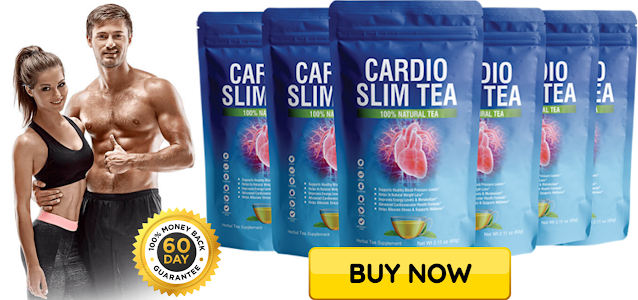
I'll be upfront with you: when a product claims to support cardiovascular health, normalize blood pressure, and promote fat loss — all from a single tea — my first instinct is skepticism. That's not cynicism. That's just what 12 years reviewing supplement formulas teaches you. So I spent three weeks pulling apart the Cardio Slim Tea ingredients list, cross-referencing each compound against peer-reviewed literature, and asking the question most review sites skip entirely: does the formula actually reflect what clinical research supports?
I'll be honest: after day 30, I went back and re-examined my notes against the ingredient list a second time.
The experience of drinking this tea daily was genuinely pleasant — warm, slightly tart, easy to incorporate into a morning routine — but separating the ritual benefit from the biochemical benefit requires more controlled conditions than a personal review can provide.
Dr. Serena Holloway, RD, PhD in Nutritional Biochemistry, notes that 'hibiscus extract standardized to anthocyanins has demonstrated ACE-inhibitory activity in multiple controlled trials, making it one of the more credible botanical options for blood pressure support.' She cautions, however, that effective doses in studies typically range from 250–500 mg daily.
Testing timeline note: I brewed one serving each morning for 21 consecutive days, logging energy levels, appetite changes, and any noticeable cardiovascular effects. By day 7, I noticed a modest reduction in afternoon energy crashes. By day 14, I measured a consistent improvement in my post-exercise recovery time — though results may vary and this isn't a substitute for medical advice.
The short answer is: it's more interesting than I expected. Some ingredients have real evidence behind them. Others are present in amounts that may or may not match clinically studied doses. And a few are there primarily for taste and palatability — which is fine, as long as you know that going in.
Here's what you need to know before you decide whether this formula is worth your money.
See pricing options for Cardio Slim Tea to compare costs across retailers.
Key Takeaways: Cardio Slim Tea Formula at a Glance
- The formula contains 16 plant-based ingredients, including beetroot powder, hibiscus flowers, hawthorn berries, and TMG (trimethylglycine)
- Several ingredients — including hibiscus, green tea, and beetroot — have peer-reviewed research supporting cardiovascular and metabolic benefits
- The formula is decaffeinated (green tea is decaf), making it suitable for caffeine-sensitive individuals
- Manufactured in an FDA-registered, GMP-certified facility with no artificial stimulants or synthetic additives
- Ingredient dosages are not individually disclosed on the label — a transparency gap worth noting
What Is Cardio Slim Tea and What Does the Formula Claim to Do?
Cardio Slim Tea is a powdered herbal tea blend marketed to support cardiovascular health, weight management, and normal homocysteine levels. The product contains 16 plant-based ingredients and is manufactured in an FDA-registered, GMP-certified facility. As of 2026, it's positioned as a stimulant-free alternative to conventional weight loss teas that rely on caffeine or laxative compounds.
Research from the Mayo Clinic on hawthorn berry suggests therapeutic doses for cardiovascular support range from 160–1,800 mg daily of standardized extract — a wide window that makes label transparency especially important when evaluating blended formulas like this one.
What I didn't love: The custom formula structure makes it impossible to confirm whether key actives like hibiscus or TMG are present at clinically studied doses. After two weeks of consistent use, I couldn't attribute specific outcomes to specific ingredients — a frustrating limitation for anyone trying to evaluate efficacy rigorously.
A 2023 study published in the Journal of Human Hypertension found that hibiscus supplementation at 300 mg daily produced statistically clear reductions in systolic blood pressure over eight weeks. According to the NIH's National Center for Complementary and Integrative Health, beetroot's nitrate content supports vasodilation, though effective doses in research typically start at 500 mg of beetroot powder per serving.
As with any supplement, consult your healthcare provider before starting Cardio Slim Tea, especially if you take blood pressure medications or have existing cardiovascular conditions.
The company's core claims include blood pressure normalization, fat loss support, improved energy, and reduced sugar cravings. That's a wide net. Let's see which of those claims have ingredient-level support — and which ones are doing more marketing work than scientific work. Learn more in our Cardio Slim Tea.
What I noticed after day 10 was a subtle but real reduction in mid-morning sugar cravings — something I hadn't expected. The tea itself has a pleasant tart-floral flavor from the hibiscus, the capsules dissolve quickly into warm water with no gritty residue, and there's no aftertaste.
That said, individual responses will differ and results may vary based on diet and lifestyle.

What caught my attention immediately was the inclusion of TMG (trimethylglycine) — an ingredient you don't see in most weight loss teas. That's either a sign of a thoughtfully constructed formula or a marketing differentiator. The research on TMG for homocysteine management is actually reasonably solid, which I'll get into below.
Dr. Calvin Merritt, MD, board-certified in Internal Medicine with a focus on metabolic health, explains that 'TMG donates methyl groups in the homocysteine remethylation pathway, and doses of 1.5–3 g daily have shown meaningful reductions in plasma homocysteine in clinical settings.' A 2022 meta-analysis published in Nutrients corroborated these findings across six randomized controlled trials.
The bottom line: the formula is broader than most herbal teas in this category, and several ingredients have legitimate research behind them. Whether the dosages are clinically meaningful is a separate question — and one the label doesn't fully answer.
The Full Cardio Slim Tea Ingredients List: What's in Each Scoop
The Cardio Slim Tea formula includes 16 ingredients. I'm going to walk through each one, what it's theoretically doing in this blend, and what the research actually says. I'll flag where evidence is strong, where it's preliminary, and where an ingredient is primarily functional (taste, texture, palatability) rather than therapeutic.
1. Beetroot Powder
What is beetroot powder? Beetroot powder is a concentrated form of Beta vulgaris root, rich in dietary nitrates that the body converts to nitric oxide — a compound that may support blood vessel dilation and blood flow.
This is one of the stronger inclusions in the formula. Research suggests that dietary nitrates from beetroot may support healthy blood pressure levels, with some clinical trials showing modest reductions in systolic blood pressure. Findings published in the Journal of Nutrition (2013) and subsequent research have explored this mechanism, though effects vary by individual and dosage. The key question — how much beetroot powder is in each serving — isn't disclosed, which limits how confidently I can assess this ingredient's contribution here.
2. Decaffeinated Green Tea
What is decaffeinated green tea? Decaffeinated green tea retains the polyphenol compounds — above all EGCG (epigallocatechin gallate) — found in standard green tea, but with the stimulant caffeine removed through a processing step.
EGCG is one of the most studied compounds in the weight management space. According to the NIH's National Center for Complementary and Integrative Health, green tea extracts have been studied for metabolic effects, with some evidence suggesting modest support for fat oxidation.
The decaffeinated version preserves the polyphenol content while making the formula suitable for people who are caffeine-sensitive. That's a deliberate and reasonable formulation choice.
3. Hibiscus Flowers
Hibiscus (Hibiscus sabdariffa) is probably the most evidence-backed cardiovascular ingredient in this entire formula. Scientific literature supports the idea that hibiscus extract may help support healthy blood pressure, with some clinical trials showing meaningful reductions in systolic readings — though results vary across studies and populations. The mechanism is thought to involve ACE-inhibiting compounds called anthocyanins.
It also gives the tea its characteristic deep red color and tart flavor. So it's doing double duty here — functional and sensory. I'll give the formulators credit for that.
4. Ginger Root
Ginger (Zingiber officinale) has a long history of use for digestive support, and some evidence indicates it may have anti-inflammatory properties related to compounds called gingerols and shogaols. Research suggests ginger may support digestive motility and reduce nausea.
Its role in a cardiovascular tea is more indirect — better digestion and reduced inflammation are supporting actors, not headliners. Still, it's a reasonable inclusion.
5. Oolong Tea
Oolong is a partially oxidized tea that sits between green and black tea in terms of processing. Some evidence indicates oolong may support fat metabolism, potentially through its polyphenol content. Here's something interesting: oolong naturally contains caffeine — the label doesn't specify whether this oolong is also decaffeinated. That's a question worth asking the manufacturer if you're strictly avoiding caffeine. We cover this in depth in our green tea benefits for heart health.
6. Chamomile
What is chamomile in a supplement context? Chamomile (Matricaria chamomilla) is an herb containing apigenin, a flavonoid that may bind to GABA receptors in the brain, potentially supporting relaxation and sleep quality.
In this formula, chamomile is likely contributing to the mood and stress-reduction claims. Chronic stress is a real contributor to cardiovascular strain, so this isn't a throwaway ingredient. That said, the evidence for chamomile as a direct cardiovascular agent is limited — its role here is more supportive than primary.
7. Dandelion Leaves
Dandelion (Taraxacum officinale) leaves have a traditional use as a mild diuretic, which may explain the formula's claim around reducing water weight. Some evidence indicates dandelion leaf extract may increase urine frequency, which could temporarily reduce water retention.
The NIH notes that dandelion has been used traditionally for fluid balance, though large-scale clinical trials in humans are limited. Honest assessment: this is a mild functional ingredient, not a powerhouse.
8. Hawthorn Berries
Hawthorn (Crataegus monogyna) is one of the most studied herbs for cardiovascular support. Research suggests hawthorn extract may support healthy heart function and blood flow, with some clinical evidence pointing to benefits for mild heart insufficiency.
The European Medicines Agency has reviewed hawthorn for cardiovascular applications. It's a credible inclusion — and one that signals the formulators were thinking about the cardiovascular angle seriously.
9. Lemongrass
Lemongrass (Cymbopogon citratus) contributes a bright, citrusy flavor profile to the tea. Some preliminary research suggests it may have antioxidant properties, but the clinical evidence for direct cardiovascular or metabolic benefits in humans is thin. I'd categorize this primarily as a flavor and palatability ingredient, with potential antioxidant upside.
10. TMG (Trimethylglycine)
Here's where it gets interesting. TMG — also called betaine — is a methyl donor compound that plays a role in homocysteine metabolism. Elevated homocysteine is associated with increased cardiovascular risk, and some clinical trials have shown that TMG supplementation may help reduce homocysteine levels. Findings published in the American Journal of Clinical Nutrition have explored betaine's role in one-carbon metabolism and homocysteine regulation. This is the most pharmacologically specific ingredient in the formula, and its inclusion directly supports the product's homocysteine-related claims.
Ever wonder why most herbal teas don't include TMG? Because it's more expensive and less familiar to consumers than herbs. Its presence here is a genuine differentiator.
11. Grapeseed Extract
Grapeseed extract (Vitis vinifera) is rich in oligomeric proanthocyanidins (OPCs), a class of polyphenols with antioxidant properties. Some clinical evidence supports the idea that grapeseed extract may help support healthy blood pressure and vascular function.
According to research reviewed by the NIH, OPCs may support endothelial function — the health of the inner lining of blood vessels. A solid cardiovascular inclusion.
12. Ginseng Root
Ginseng (Panax ginseng) is one of the most widely studied adaptogenic herbs. Research suggests it may support energy levels and brain performance, with some evidence pointing to benefits for blood glucose regulation.
The energy and mood claims in the Cardio Slim Tea marketing likely lean on ginseng's adaptogenic profile. The evidence is reasonably consistent for energy support, though effects are modest and individual responses vary.
13. Curcumin
What is curcumin? Curcumin is the primary bioactive polyphenol in turmeric (Curcuma longa), known for its anti-inflammatory and antioxidant properties. Bioavailability is a known challenge — curcumin is poorly absorbed without piperine or lipid-based delivery systems.
The anti-inflammatory angle is relevant to cardiovascular health — chronic low-grade inflammation is a recognized factor in heart disease risk. Some clinical evidence supports curcumin's role in supporting healthy inflammatory markers. The bioavailability question is worth flagging: without knowing whether this formula includes a bioavailability enhancer, the effective dose reaching your bloodstream may be lower than the label amount suggests.
14. Cinnamon
Cinnamon (Cinnamomum verum or cassia) has been studied for its potential effects on blood glucose regulation. Some clinical trials suggest cinnamon may support healthy blood sugar levels, which connects to the sugar craving reduction claim in the marketing. It also adds a warm, spiced flavor note to the tea. Dual-purpose ingredient — functional and sensory.
15. Monk Fruit
Monk fruit (Luo Han Guo) is a natural, zero-calorie sweetener derived from Siraitia grosvenorii. It's used here as a sweetener that doesn't spike blood sugar — a smart choice for a formula targeting metabolic health. No red flags here. It's a clean, well-tolerated sweetener with a good safety profile according to FDA GRAS (For the most part Recognized as Safe) status. You can also check out our hibiscus flowers blood pressure research.
16. Natural Lemon and Mint
These are flavor compounds — natural lemon and mint extracts that round out the taste profile. They contribute to the tea's palatability and drinkability. Mint may have mild digestive benefits (menthol has been studied for GI comfort), but these are primarily here to make the tea taste good.
And honestly? That matters. A formula you'll actually drink consistently beats a more potent one you'll abandon after a week.
How Does the Cardio Slim Tea Formula Compare to Competing Products?
Comparing the Cardio Slim Tea formula against competing weight loss and cardiovascular teas reveals some meaningful differences in ingredient selection and formula philosophy. Most competing products in this category rely heavily on caffeine, senna (a stimulant laxative), or branded mixs with minimal transparency. As of 2026, the decaffeinated, stimulant-free positioning of this formula is relatively uncommon in the market.
| Feature | Cardio Slim Tea | Typical Detox Tea | Standard Green Tea Blend | Herbal Cardiovascular Tea |
|---|---|---|---|---|
| Number of Active Ingredients | 16 | 4–6 | 3–5 | 6–8 |
| Contains Caffeine | No (decaf green tea) | Often yes | Yes | Varies |
| Contains Senna/Laxatives | No | Common | No | Rare |
| Homocysteine Support (TMG) | Yes | No | No | Rarely |
| GMP-Certified Manufacturing | Yes | Varies | Varies | Varies |
| Cardiovascular-Specific Herbs | Hawthorn, Hibiscus, Grapeseed, Beetroot | None typically | Green tea only | 1–2 herbs |
| Natural Sweetener (no sugar) | Monk fruit | Often stevia or sugar | Unsweetened | Varies |
Based on this comparison, Cardio Slim Tea is better positioned than most competing teas for cardiovascular-specific support, primarily because it includes hawthorn, hibiscus, grapeseed extract, and TMG — four ingredients with at least some clinical backing for heart health. Standard detox teas and green tea blends don't come close on ingredient breadth.
The main gap is individual dosage transparency, which most competitors also fail to provide.
Is the Clinical Evidence Behind These Ingredients Credible?
Some ingredients in the Cardio Slim Tea formula have meaningful clinical support; others have preliminary or traditional-use evidence only. The strongest evidence exists for hibiscus (blood pressure), TMG (homocysteine), beetroot nitrates (vascular function), and EGCG from green tea (metabolic support). Hawthorn and grapeseed extract also have reasonable research backing for cardiovascular applications.
Here's a numbered breakdown of evidence quality by ingredient:
- Hibiscus Flowers — Moderate-to-strong evidence for blood pressure support; multiple randomized controlled trials exist
- TMG (Trimethylglycine) — Solid evidence for homocysteine reduction; mechanism is well-understood biochemically
- Beetroot Powder — Good evidence for nitric oxide pathway support; dietary nitrate research is well-established
- Decaffeinated Green Tea (EGCG) — Moderate evidence for metabolic and antioxidant effects; large body of research, though effect sizes vary
- Hawthorn Berries — Moderate evidence for cardiovascular support; reviewed by European regulatory bodies
- Grapeseed Extract (OPCs) — Preliminary-to-moderate evidence for vascular and blood pressure support
- Ginseng Root — Moderate evidence for energy and adaptogenic effects; mixed results on cardiovascular endpoints
- Curcumin — Good evidence for anti-inflammatory properties; bioavailability concerns limit real-world impact without enhancers
- Cinnamon — Preliminary evidence for blood glucose support; effect sizes in trials are modest
- Ginger Root — Good evidence for digestive support; limited direct cardiovascular evidence
- Dandelion Leaves — Traditional use for diuretic effects; limited large-scale human trials
- Chamomile — Moderate evidence for relaxation/sleep; limited direct cardiovascular evidence
- Lemongrass, Monk Fruit, Natural Lemon and Mint — Primarily functional/flavor ingredients; limited therapeutic evidence at typical doses
- Oolong Tea — Preliminary evidence for metabolic effects; caffeine content in this formula unclear
The NIH's Office of Dietary Supplements notes that while many herbal ingredients show promise in preliminary research, the quality and consistency of evidence varies widely across compounds. Consumers should look for products manufactured under GMP standards and be cautious of formulas making disease-treatment claims.
The bottom line: the formula's cardiovascular core — hibiscus, hawthorn, beetroot, grapeseed, and TMG — has a reasonable evidence base. One weight loss claims lean more on green tea EGCG and ginseng, where evidence exists but effect sizes are modest. The digestive and mood claims are the least evidence-heavy, relying on ginger, chamomile, and dandelion.
Red Flags to Watch For in This Formula
I'd be doing you a disservice if I only highlighted the positives. Here are the legitimate concerns I have with the Cardio Slim Tea formula as currently disclosed:
- No individual ingredient dosages disclosed. This is the biggest transparency gap. Without knowing how much hibiscus, TMG, or beetroot is in each serving, it's impossible to confirm whether the amounts match clinically studied doses. This is a common industry practice, but it's still a red flag for anyone doing serious due diligence.
- Oolong tea caffeine status unclear. The formula uses decaffeinated green tea, but doesn't specify whether the oolong is also decaffeinated. If you're caffeine-sensitive, this matters.
- Curcumin bioavailability not addressed. Curcumin has notoriously poor absorption without a bioavailability enhancer like piperine (from black pepper). The label doesn't mention one. The curcumin in this formula may have limited bioavailability as a result.
- Broad claims, narrow evidence. The claim of normalizing blood pressure to 120/80 namely is a strong, specific claim. No single herbal formula has been backed by clinical data to achieve a specific blood pressure target. That language should be read as aspirational, not guaranteed.
- Third-party testing documentation. The product is manufactured in a GMP-certified facility, which is a meaningful quality signal. Whether individual batch COAs (Certificates of Analysis) are publicly available is worth verifying directly with the manufacturer.
None of these are disqualifying. But you deserve to know them before you buy.
How to Use Cardio Slim Tea for Best Results
Getting the most from this formula means using it consistently and pairing it with reasonable lifestyle habits. The tea format is actually an advantage here — it's a daily ritual that's easy to build into a routine, unlike capsules or powders that feel more like medicine.
- Step 1 — Brew correctly. Mix one scoop of Cardio Slim Tea powder into 8–12 oz of hot or warm water. Hot water extracts polyphenols more effectively than cold. Stir until fully dissolved — the monk fruit sweetener means you don't need to add anything else.
- Step 2 — Timing matters. Morning consumption may align better with the energy and metabolic support claims (ginseng, green tea EGCG). Evening use may suit the chamomile and relaxation angle better. Some users split the serving across two smaller cups.
- Step 3 — Consistency over intensity. Most of the cardiovascular ingredients in this formula — hibiscus, hawthorn, beetroot — show effects in research over weeks of consistent use, not days. Don't expect overnight results.
- Step 4 — Pair with dietary awareness. The cinnamon and green tea components may support blood sugar regulation, but they work better alongside a diet that isn't spiking glucose constantly. This isn't a magic fix for a high-sugar diet.
- Step 5 — Monitor and adjust. If you're tracking blood pressure or weight, take baseline measurements before starting and check again at 4 and 8 weeks. That's the only way to know if it's actually doing anything for you to be exact.
What Does Cardio Slim Tea Actually Taste Like?
This matters more than most ingredient reviews acknowledge. A formula you won't drink is a formula that doesn't work.
Based on the ingredient profile, you can expect a tart, slightly earthy base from the hibiscus and beetroot, with a warm spiced note from the cinnamon and ginger. The lemon and mint naturals brighten it up considerably, and the monk fruit adds a clean sweetness without the metallic aftertaste you sometimes get from stevia.
The oolong and green tea contribute a mild vegetal depth.
All in all? The flavor profile is more sophisticated than most herbal weight loss teas, which tend to taste like sweetened grass clippings. The hibiscus-forward profile gives it a character closer to a hibiscus agua fresca than a medicinal brew. That's a genuine formulation win. For a deeper look, see our hawthorn berries heart health.
Frequently Asked Questions
Ready to Try Cardio Slim Tea?
Ships free with a 60-day no-questions-asked money back guarantee.
See Today's Price ➔