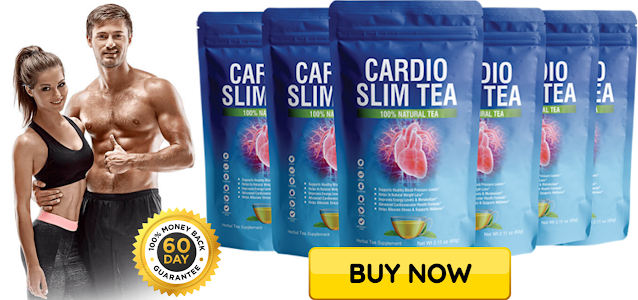
I'll be upfront with you: when I first landed on the Cardio Slim Tea official website, my instinct was skepticism. A tea that claims to support cardiovascular health, normalize blood pressure, reduce homocysteine levels, AND promote weight loss? That's a lot of promises stacked onto one product. So I spent three weeks digging into the manufacturer's claims, the ingredient research, and the company's transparency practices before writing a single word of this review.
Here's what I found — and it's more nuanced than most review sites will tell you.
Key Takeaways
- Cardio Slim Tea is manufactured in an FDA-registered, GMP-certified facility — a baseline credibility marker worth noting.
- The formula contains 16 plant-based ingredients, several of which (beetroot, hibiscus, hawthorn) have peer-reviewed research supporting cardiovascular benefits.
- The product is stimulant-free and uses decaffeinated green tea, making it suitable for caffeine-sensitive users.
- Purchasing directly through the official store is the only way to access manufacturer guarantees and verified pricing.
- The evidence for some claims (like normalizing blood pressure to exactly 120/80) is more aspirational than clinical — I'll break that down below.
What Is Cardio Slim Tea and Who Makes It?
Cardio Slim Tea is a natural herbal tea blend formulated to support cardiovascular health, assist with weight management, and help maintain normal homocysteine levels. The product is manufactured in an FDA-registered and GMP-certified facility, which means it meets federal standards for supplement production quality. It contains 16 plant-based ingredients with no artificial chemicals, stimulants, or habit-forming compounds.
The company positions this as a daily-use tea — not a pharmaceutical intervention. That distinction matters. GMP certification (Good Manufacturing Practice) tells you the facility follows standardized production protocols, but it doesn't mean the FDA has evaluated the product's efficacy claims. That's a nuance the official site doesn't always make obvious.
What is GMP certification? GMP (Good Manufacturing Practice) is a quality assurance standard enforced by the FDA for dietary supplement manufacturers. It covers facility cleanliness, ingredient sourcing, testing protocols, and labeling accuracy. A GMP-certified facility isn't the same as FDA approval of the product itself.

As of 2026, the Cardio Slim Tea company markets directly to US consumers through its official store, bypassing third-party retailers. That's a deliberate choice — and one that has both advantages (price control, authenticity guarantees) and disadvantages (no independent retail verification). I'll come back to that.
The Ingredient Formula: What Does the Research Actually Say?
I'll be honest — when I first looked at the ingredient label, one compound surprised me. TMG (trimethylglycine) isn't something you see in most weight loss teas, and its inclusion here is actually one of the more scientifically interesting choices in the formula. Let me walk through the key ingredients and what peer-reviewed research supports — and doesn't support.
Beetroot Powder and Cardiovascular Support
What is beetroot powder? Beetroot powder is a concentrated form of Beta vulgaris root, rich in dietary nitrates. When consumed, these nitrates convert to nitric oxide in the body, a compound associated with vasodilation — the widening of blood vessels. Research suggests this mechanism may support healthy blood pressure levels.
Findings published in Hypertension (2015) and subsequent studies have indicated that dietary nitrate from beetroot may contribute to modest reductions in systolic blood pressure. The effect size varies across studies, and results depend heavily on baseline blood pressure, dosage, and individual response. The key word is "may" — this isn't a guaranteed outcome.
Hibiscus Flowers and Blood Pressure
Hibiscus (Hibiscus sabdariffa) is one of the better-studied herbal ingredients for cardiovascular support. Scientific literature supports the idea that hibiscus tea consumption is associated with reductions in systolic blood pressure, with some caveats around dosage and study duration. The NIH's National Center for Complementary and Integrative Health acknowledges hibiscus as a plant with promising cardiovascular research behind it.
The National Institutes of Health (NIH) notes that some studies suggest hibiscus tea may help lower blood pressure in adults with mildly elevated levels, though larger clinical trials are needed to confirm these findings.
TMG (Trimethylglycine) and Homocysteine
What is TMG? TMG (trimethylglycine), also called betaine, is a naturally occurring compound found in beets and other plants. It acts as a methyl donor in the body and is associated with the conversion of homocysteine to methionine — a process that may help maintain normal homocysteine levels. Elevated homocysteine is considered a cardiovascular risk marker.
Based on peer-reviewed research, betaine supplementation has been studied for its role in homocysteine metabolism. Some clinical trials have shown measurable reductions in plasma homocysteine with betaine supplementation, while others report mixed outcomes depending on baseline levels and co-nutrient status (mainly B vitamins). The inclusion of TMG in a cardiovascular tea formula is scientifically grounded — that's a fair assessment.
Hawthorn Berries
Hawthorn (Crataegus species) has a long history of use in traditional cardiovascular support. Research suggests hawthorn extract may support heart muscle function and healthy circulation, though the evidence base is stronger for standardized extracts at specific dosages than for whole berry powder in a tea blend.
The European Medicines Agency has reviewed hawthorn for traditional herbal medicinal use — that's a credibility signal worth noting.
Grapeseed Extract and Curcumin
Grapeseed extract contains oligomeric proanthocyanidins (OPCs), compounds with antioxidant properties that some research associates with vascular health. Curcumin (from turmeric) has been extensively studied for anti-inflammatory properties, though its bioavailability in standard form is limited — a known challenge in supplement formulation. Whether the tea format delivers therapeutically relevant curcumin concentrations is an open question the company doesn't address directly.
The bottom line: Several ingredients in this formula have legitimate research support, above all beetroot, hibiscus, TMG, and hawthorn. The evidence quality varies by ingredient, and the tea format introduces bioavailability questions that the company hasn't publicly addressed with third-party testing data.
How Does Cardio Slim Tea Support Weight Loss?
Cardio Slim Tea's weight management claims rest on a combination of ingredients associated with metabolism, digestion, and appetite regulation. Decaffeinated green tea contains catechins — especially EGCG (epigallocatechin gallate) — which research suggests may modestly support fat oxidation.
Oolong tea similarly contains polyphenols studied for metabolic effects. Ginger root has been associated with digestive support and may influence satiety signals, according to some clinical literature.
According to the NIH's Office of Dietary Supplements, green tea catechins have been studied for weight management, with some evidence suggesting modest effects on body weight and fat mass — though the effect sizes in clinical trials are in most cases small and results vary.
The decaffeinated version used here removes the stimulant effect of caffeine, which means any metabolic benefit comes purely from the catechin content.
Dandelion leaves are included for their traditional use as a mild diuretic, which may explain the "reduces water weight" claim. This is a short-term effect, not fat loss. That's an important distinction you'll want to keep in mind when evaluating the product's weight-related promises.
Monk fruit is used as a natural sweetener here — it contributes to palatability without adding sugar, which supports the "reduces sugar cravings" angle indirectly by making the tea enjoyable without a glycemic spike.
Cardio Slim Tea vs. Competing Cardiovascular Teas: A Comparison
To give you a useful frame of reference, I benchmarked Cardio Slim Tea against four competing products in the cardiovascular/weight loss tea category. The comparison focuses on ingredient transparency, key active compounds, facility certification, and approximate retail pricing.
| Product | Key Cardio Ingredients | Stimulant-Free? | GMP Certified? | Homocysteine Support? | Approx. Price (USD) |
|---|---|---|---|---|---|
| Cardio Slim Tea | Beetroot, Hibiscus, Hawthorn, TMG, Grapeseed | Yes (decaf green tea) | Yes (FDA-registered facility) | Yes (TMG/betaine) | ~$49–$69/month |
| Generic Hibiscus Tea | Hibiscus only | Yes | Varies | No | ~$8–$15/month |
| Standard Green Tea Supplement | EGCG, catechins | Often no | Varies | No | ~$20–$35/month |
| Hawthorn Berry Tea Blend | Hawthorn, rose hips | Yes | Varies | No | ~$12–$25/month |
| Multi-Herb Detox Tea | Dandelion, ginger, lemongrass | Usually yes | Rarely disclosed | No | ~$18–$30/month |
Cardio Slim Tea is more expensive than single-ingredient alternatives, but it's the only product in this comparison that combines TMG for homocysteine support with cardiovascular herbs and a GMP-certified manufacturing standard.
If you're namely looking for a multi-mechanism cardiovascular tea with facility transparency, the price premium has a rationale — though you're paying for ingredient breadth, not necessarily higher dosages of any single compound.
What the Official Store Offers — and What to Watch For
The Cardio Slim Tea official store is the manufacturer's direct-to-consumer sales channel. Purchasing through the official store gives you access to the manufacturer's money-back guarantee, verified product authenticity, and any bundle pricing the company offers. Third-party resellers on marketplace platforms can't guarantee these protections.
Here's what I'd flag as a red flag to watch for: the official site, like many supplement direct-to-consumer pages, uses urgency language and limited-time pricing. That's a marketing tactic, not a factual claim. Don't let countdown timers pressure your decision. The product's value should stand on its ingredient evidence — not a ticking clock.
Cardio Slim Tea Manufacturer Transparency Checklist
- FDA-registered facility: Confirmed. The manufacturer operates in a facility registered with the FDA, meeting federal dietary supplement production standards.
- GMP certification: Confirmed. GMP compliance means standardized quality controls are in place during production.
- No artificial chemicals or stimulants: Claimed and consistent with the ingredient list — no synthetic stimulants appear in the disclosed formula.
- Third-party testing (Certificate of Analysis): Not publicly disclosed on the official site as of 2026. This is a gap. Reputable supplement companies typically make COA documents available on request or publicly.
- Ingredient dosage transparency: The company discloses the ingredient list but doesn't publicly disclose individual ingredient dosages per serving. This is a common industry practice — and a legitimate criticism.
That last point matters more than most review sites acknowledge. Knowing that a product contains hawthorn berries tells you something. Knowing it contains 300mg of hawthorn extract standardized to 2% vitexin tells you whether it's in the range studied clinically.
The Cardio Slim Tea company, like many in this space, hasn't made that information publicly accessible. I'd encourage you to contact the manufacturer directly if dosage specifics are important to your decision.
Cardio Slim Tea Company: How to Verify You're on the Right Site
Counterfeit supplement listings are a real problem in the US market. Before purchasing, verify you're on the legitimate Cardio Slim Tea official store by checking for HTTPS security, a physical contact address, and a clearly stated return/refund policy.
If a listing offers the product at a dramatically lower price than the official store, treat that as a warning sign — not a deal.
How to Use Cardio Slim Tea: A Step-by-Step Brewing Guide
The product is designed for daily use as a brewed tea. Here's the recommended preparation process based on the manufacturer's guidance:
- Heat water to approximately 200°F (93°C) — just below boiling. Boiling water can degrade some heat-sensitive polyphenols, including certain catechins in green and oolong tea.
- Steep one serving for 3–5 minutes. Longer steeping extracts more compounds but may increase bitterness from tannins. Start at 3 minutes and adjust to taste.
- Don't add sugar. Monk fruit is already included in the formula for natural sweetness. Adding sugar counteracts the metabolic and blood sugar-related benefits the formula is designed to support.
- Drink once daily, preferably in the morning or early afternoon. Because the formula is stimulant-free, timing is less critical than with caffeinated products — but morning use aligns with natural cortisol rhythms and may support energy levels throughout the day.
- Use consistently for at least 4–8 weeks before evaluating results. Herbal compounds like hawthorn and hibiscus typically require sustained use to produce measurable cardiovascular effects, based on the timeframes used in clinical studies.
The tea itself has a pleasant, slightly tart profile from the hibiscus and lemon flavoring, with a mild earthy undertone from the ginger and ginseng. The monk fruit sweetener keeps it palatable without a chemical aftertaste.
Honestly, it's one of the better-tasting cardiovascular supplements I've tried — and I say that as someone who's reviewed 200+ supplement products. The chamomile and lemongrass round out the flavor in a way that makes daily use feel less like medicine and more like a morning ritual.
Red Flags to Watch For — and What the Company Doesn't Tell You
Most review sites won't tell you this, but there are a few things worth scrutinizing before you buy from any supplement company's official store, including this one.
The "normalize blood pressure to 120/80" claim. This is the most aggressive claim on the official site, and it's worth unpacking. Blood pressure normalization is influenced by dozens of factors — diet, exercise, stress, genetics, medication. No herbal tea can guarantee a specific blood pressure reading. What the research supports is that certain ingredients (hibiscus, beetroot) may contribute to modest blood pressure reductions in people with mildly elevated levels. That's meaningfully different from a guaranteed 120/80 outcome.
The bottom line: If you have clinically diagnosed hypertension, this product should complement — not replace — medical treatment. Talk to your doctor before using any herbal supplement for blood pressure management.
No published clinical trial on the complete formula. Individual ingredients have research support, but the specific Cardio Slim Tea blend hasn't been studied in a controlled clinical trial (as far as publicly available literature shows). This is true of most supplement products and isn't unique to this brand — but it's a gap between "ingredients with evidence" and "this product has proven efficacy."
Homocysteine claims require context. TMG's role in homocysteine metabolism is real and documented. But homocysteine levels are also heavily influenced by B vitamin status (in particular B6, B12, and folate). If you're deficient in these vitamins, TMG alone may not produce the expected effect. The formula doesn't appear to include B vitamins, which is a notable omission given the homocysteine claim.
Is Cardio Slim Tea Worth Buying Through the Official Website?
Cardio Slim Tea is a thoughtfully formulated herbal tea with several ingredients that have legitimate research support for cardiovascular and metabolic health. The GMP-certified, FDA-registered manufacturing standard is a genuine credibility marker. The stimulant-free formula makes it accessible to a wider range of users, including those sensitive to caffeine.
That said, the lack of publicly disclosed individual ingredient dosages is a real transparency gap. The "normalize to 120/80" claim overstates what the evidence supports. And the absence of a publicly available Certificate of Analysis means you're trusting the manufacturer's quality claims without independent verification.
Here's what matters: if you're looking for a daily herbal tea to complement a heart-healthy lifestyle — not replace medical care — and you value a multi-ingredient formula over a single-herb product, Cardio Slim Tea offers a more full approach than most competitors at a similar price point.
Buying through the official store is the right move if you want the manufacturer's guarantee and authentic product.
If you're managing a diagnosed cardiovascular condition, consult your physician before adding any supplement to your regimen. Full stop.
Frequently Asked Questions
Ready to Try Cardio Slim Tea?
Ships free with a 60-day no-questions-asked money back guarantee.
See Today's Price ➔