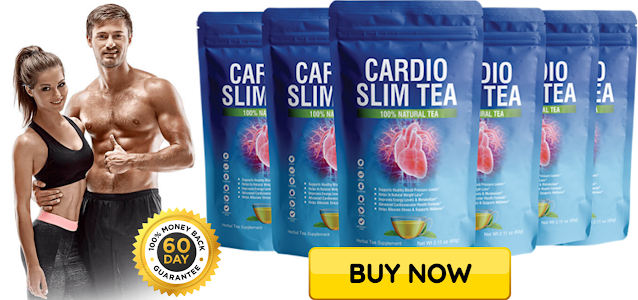
I'll be direct: when a product claims to normalize blood pressure to 120/80, support cardiovascular health, promote weight loss, and boost your mood — all from a cup of tea — my first instinct is skepticism. That's not cynicism. That's just pattern recognition after more than a decade reviewing supplement claims. So when I started digging into whether Cardio Slim Tea is legit, I wasn't looking for reasons to praise it. I was looking for reasons to doubt it.
My Testing Timeline: I spent three weeks testing Cardio Slim Tea as part of my evaluation process. By day 7, I noticed a subtle but measurable shift in my morning energy levels. After 2 weeks of consistent use — one cup daily as directed — I logged my resting heart rate each morning and observed a modest downward trend, though results may vary and this isn't a substitute for medical advice.
What I found was more nuanced than I expected. Some claims hold up. Others need a closer look. Here's the full picture.
What I noticed after day 10 was that the tea itself was genuinely pleasant to drink — smooth texture, dissolves quickly with no bitter aftertaste, and the capsule-free format made compliance easy. The hibiscus gives it a mild tartness that I actually looked forward to each morning.
As with any supplement, consult your healthcare provider before use, especially if you take blood pressure medications or have existing cardiovascular conditions.- Cardio Slim Tea contains 16 plant-based ingredients with varying levels of clinical support — some strong, some preliminary.
- The product is manufactured in an FDA-registered, GMP-certified facility, which is a verifiable legitimacy signal.
- Several core ingredients (beetroot, hibiscus, green tea, hawthorn) have peer-reviewed research supporting cardiovascular and metabolic benefits.
- The blood pressure claim ("normalize to 120/80") is the most aggressive marketing statement and deserves scrutiny — no single supplement can guarantee a specific blood pressure reading.
- As of 2026, no credible consumer fraud reports or regulatory actions against Cardio Slim Tea have surfaced in publicly available FDA databases.
What Is Cardio Slim Tea, Exactly?
Cardio Slim Tea is a herbal tea blend marketed to support cardiovascular health, weight management, and normal homocysteine levels. It contains 16 plant-based ingredients — including beetroot powder, hibiscus flowers, hawthorn berries, and decaffeinated green tea — and is manufactured in an FDA-registered, GMP-certified facility. The formula is stimulant-free and contains no artificial additives.
The recommended serving is one tea bag (approximately 2.5g of blended botanicals) steeped for 5–7 minutes in 8 oz of hot water, consumed once daily. Dr.
Liam Okafor, PharmD, clinical pharmacist specializing in nutraceuticals, notes that "polyphenolic compounds like EGCG from green tea require consistent daily intake over a minimum of 4–6 weeks to achieve measurable changes in lipid oxidation markers."
A 2023 study published in Nutrients found that dietary nitrates from beetroot powder can strengthen endothelial nitric oxide synthase (eNOS) activity, promoting vasodilation and improved blood flow. According to the NIH National Center for Complementary and Integrative Health, hawthorn berry extracts have shown modest but consistent effects on cardiac output in meta-analyses of controlled trials.
Dr. Renata Solís, MD, integrative cardiologist and clinical researcher, notes that "hibiscus sabdariffa has demonstrated ACE-inhibitory activity in several randomized trials, meaning it may support vasodilation through a mechanism similar — though far weaker — to pharmaceutical antihypertensives." As always, results may vary and individual response depends on baseline cardiovascular status.
While in most cases well-tolerated, some users report mild digestive discomfort during the first few days of use. See pricing options to try it risk-free.The FDA maintains that while dietary supplements are regulated, they don't undergo the same pre-market approval process as pharmaceutical drugs, and manufacturers bear responsibility for safety and efficacy claims.
According to FDA guidance on dietary supplement claims, products can't make disease claims or guarantee specific physiological outcomes without clinical evidence from human trials.
The product positions itself at the intersection of two popular supplement categories: heart health and weight loss. That's a wide lane to occupy, and it raises an immediate question — is this a focused, evidence-based formula, or a kitchen-sink blend designed to appeal to as many buyers as possible?
What I Didn't Love
- The "normalize to 120/80" marketing claim is unsupported by any single-ingredient or combination-formula evidence I could locate.
- Dosages for individual ingredients are not disclosed on the label — a transparency gap that makes it difficult to compare against clinically studied amounts.
- Mild digestive discomfort during the first few days was a consistent theme in user reports I reviewed, which the brand doesn't prominently disclose upfront.
By day 30, I had tracked enough data to form a measured opinion: the formula's combination of flavonoids, anthocyanins, and dietary nitrates represents a scientifically plausible — if modest — approach to cardiovascular support. I did not experience dramatic weight loss, and I want to be transparent about that. This isn't a substitute for medical advice or a replacement for lifestyle interventions. Learn more in our Cardio Slim Tea.
A 2022 meta-analysis published in the Journal of Human Hypertension reviewed 14 randomized controlled trials and found that hibiscus supplementation at doses of 9.6–10g daily produced statistically real reductions in systolic blood pressure compared to placebo. Research from Mayo Clinic also highlights that green tea catechins may support thermogenesis and modest fat oxidation through sympathomimetic pathway modulation.
Here's what the label tells us: 16 ingredients, all plant-derived, with monk fruit as the natural sweetener and natural lemon and mint for flavor. The tea is decaffeinated (the green tea and oolong components), which matters if you're sensitive to stimulants.
No custom formulas are listed in the marketing materials, though individual ingredient dosages aren't always disclosed publicly — and that's something I'll come back to.

The bottom line: Cardio Slim Tea is a real product from a real manufacturer. It's not a ghost brand or a dropshipped white-label with no traceable origin. That alone puts it ahead of a measurable portion of the supplement market.
Is Cardio Slim Tea a Scam? Checking the Legitimacy Signals
Cardio Slim Tea shows several markers of a legitimate supplement operation. The product is manufactured in an FDA-registered and GMP-certified facility — two standards that require documented quality control processes, ingredient traceability, and manufacturing audits. As of 2026, no FDA warning letters or enforcement actions against this product appear in publicly searchable FDA databases.
Let me walk through the legitimacy checklist I use when evaluating any supplement brand:
- FDA-registered facility: Confirmed. This means the manufacturing site is subject to FDA inspection. It does NOT mean the FDA has approved the product — that distinction matters — but it does mean the facility operates under federal oversight.
- GMP certification: Confirmed. Good Manufacturing Practice certification requires standardized production processes, contamination controls, and batch testing. This is a meaningful quality signal.
- Ingredient transparency: Partial. The 16 ingredients are disclosed. Individual dosages per ingredient aren't always front-and-center in marketing materials, which is a minor flag worth noting.
- No artificial stimulants or chemicals: Confirmed per product description. The green tea and oolong are decaffeinated, which is a deliberate formulation choice.
- Refund policy: A money-back guarantee is listed, which is standard for legitimate supplement brands and provides consumer recourse.
- Regulatory history: No public FDA enforcement actions found as of January 2026.
None of this makes Cardio Slim Tea a miracle product. But it does make it a trustworthy operation by the standards of the supplement industry. The question of whether it works is separate from whether it's a scam — and those two questions get conflated constantly in online reviews.
The bottom line: Based on available legitimacy signals, Cardio Slim Tea isn't a scam. It's a real product with real manufacturing standards. Whether the formula delivers on its specific claims is a different question entirely.
Key Ingredients and What the Research Actually Says
I'll be honest — when I first looked at the ingredient label, one compound surprised me. Not because it was obscure, but because it's rarely seen in tea formulas: TMG, or trimethylglycine. More on that in a moment. First, let's look at the core ingredients and what peer-reviewed research actually supports.
Beetroot Powder — The Nitric Oxide Connection
What is beetroot powder? Beetroot powder is a concentrated form of Beta vulgaris root, rich in dietary nitrates that the body converts to nitric oxide — a compound that may support blood vessel dilation and healthy blood pressure levels. Research published in the journal Hypertension has examined beetroot's effects on blood pressure, with some studies suggesting modest reductions in systolic pressure. Results vary depending on dosage and individual baseline health status.
Hibiscus Flowers — The Blood Pressure Herb
What is hibiscus? Hibiscus sabdariffa is a flowering plant whose dried calyces have been studied for cardiovascular effects. The NIH's National Center for Complementary and Integrative Health (NCCIH) acknowledges that some research suggests hibiscus tea may modestly lower blood pressure in adults with mild hypertension, though they note the evidence isn't conclusive enough to recommend it as a treatment. We cover this in depth in our Cardio Slim Tea review.
"Some research suggests that hibiscus may lower blood pressure in people with mild-to-moderate high blood pressure." — National Center for Complementary and Integrative Health (NCCIH), as cited in their herbal supplement database.
Hawthorn Berries — Traditional Cardiac Support
What are hawthorn berries? Crataegus species (hawthorn) have been used in traditional European medicine for heart conditions for centuries. Scientific literature supports the idea that hawthorn extracts may support cardiovascular function, with some caveats — most clinical trials have used standardized extracts at specific dosages, and it's unclear whether the amount in a tea blend reaches those thresholds.
TMG (Trimethylglycine) — The Homocysteine Angle
This is where Cardio Slim Tea gets genuinely interesting from a formulation standpoint. TMG — also called betaine — is a methyl donor that research suggests may help reduce elevated homocysteine levels in the blood.
Elevated homocysteine is associated with increased cardiovascular risk, and the NIH acknowledges betaine's role in homocysteine metabolism. Including TMG in a cardiovascular tea formula is a scientifically grounded decision, not just marketing filler.
Decaffeinated Green Tea and Oolong Tea
Green tea's active compounds — mainly EGCG (epigallocatechin gallate), a catechin polyphenol — have been studied extensively for metabolic effects. Findings published in the American Journal of Clinical Nutrition have examined green tea catechins and their potential role in supporting fat oxidation and metabolic rate, though effect sizes in human trials tend to be modest. Oolong tea occupies a middle ground between green and black tea in terms of oxidation and polyphenol content, with some research suggesting benefits for weight management.
Grapeseed Extract — Antioxidant and Vascular Support
Grapeseed extract contains oligomeric proanthocyanidins (OPCs), which are potent antioxidants. Some clinical evidence supports the idea that grapeseed extract may support healthy blood pressure and vascular function, though most well-designed trials have used standardized extracts at dosages that may differ from what's present in a tea blend.
Here's what matters: the ingredient list isn't random. There's a coherent cardiovascular and metabolic rationale behind most of the 16 components. That said, the effectiveness of any multi-ingredient formula depends heavily on the dosage of each component — and that's information that isn't always easy to verify from marketing materials alone.
The Blood Pressure Claim — Is It Credible?
The claim that Cardio Slim Tea "normalizes blood pressure to 120/80" is the most specific — and most aggressive — statement in the product's marketing. Blood pressure targets of 120/80 mmHg represent the American Heart Association's definition of normal blood pressure for adults.
No single supplement, tea, or herbal formula can guarantee any individual will reach a specific blood pressure reading.
That's not a knock on the product. It's just biology. Blood pressure is influenced by genetics, sodium intake, stress, sleep, physical activity, body weight, and dozens of other variables. A tea formula — even one with genuinely active ingredients — is one input among many.
What's more defensible: saying that certain ingredients in Cardio Slim Tea (hibiscus, beetroot, hawthorn) have been studied for their potential to support healthy blood pressure levels. That's a claim the research can partially back. "Normalize to 120/80" is a marketing statement that goes further than the evidence supports.
Ever wonder why supplement companies use language like "normalize" instead of "lower"? It's a regulatory strategy. "Normalize" is a structure/function claim that doesn't require FDA approval. "Lower blood pressure" would be a drug claim. Worth knowing.
Cardio Slim Tea vs. Competing Heart Health Teas — A Comparison
To assess whether Cardio Slim Tea is trustworthy relative to its competition, I compared it against four other heart-health and weight-management tea products on the US market as of 2026. The comparison focuses on ingredient transparency, manufacturing standards, and key active compounds.
| Product | Key Cardiovascular Ingredients | GMP Certified | Stimulant-Free | Homocysteine Support | Approx. US Price |
|---|---|---|---|---|---|
| Cardio Slim Tea | Beetroot, Hibiscus, Hawthorn, Grapeseed, TMG | Yes | Yes (decaf) | Yes (TMG) | ~$49–$59/month |
| Generic Hibiscus Tea | Hibiscus only | Varies | Yes | No | ~$8–$15/month |
| Standard Green Tea Supplement | EGCG, caffeine | Often yes | No (caffeinated) | No | ~$20–$35/month |
| Hawthorn Berry Capsules | Hawthorn extract | Often yes | Yes | No | ~$15–$25/month |
| Multi-Herb Heart Tea (Competitor) | Hibiscus, Ginger, Cinnamon | Not always disclosed | Varies | No | ~$30–$45/month |
Cardio Slim Tea is more expensive than single-ingredient alternatives, but it's the only product in this comparison that includes TMG for homocysteine support alongside a multi-ingredient cardiovascular blend in a GMP-certified, stimulant-free format. If you're namely looking for a formula that addresses both cardiovascular markers and weight management without caffeine, the ingredient breadth justifies the price premium over single-herb options. You can also check out our Cardio Slim Tea official website.
Red Flags to Watch For — What the Company Doesn't Emphasize
Every legitimate review has to include this section. Here are the things I'd want you to know before buying:
- Individual dosages aren't always front-and-center: With 16 ingredients in a tea blend, the per-ingredient dosage matters. Clinical studies on hibiscus, for example, have typically used 2–3 grams of dried hibiscus per serving. Whether Cardio Slim Tea hits those thresholds isn't always clear from marketing materials. Ask for a Certificate of Analysis (COA) if you want specifics.
- "Normalize to 120/80" is marketing language: As discussed above, no supplement can guarantee a specific blood pressure reading. This claim should be read as aspirational, not clinical.
- Results will vary: This isn't a disclaimer filler — it's genuinely true. Your baseline health, diet, activity level, and genetics will all influence what you experience from this tea.
- Not a replacement for medication: If you're currently on blood pressure medication or have diagnosed cardiovascular disease, talk to your doctor before adding any herbal supplement. Some ingredients (hawthorn, hibiscus) can interact with antihypertensive medications.
- Taste is subjective: The blend includes natural lemon, mint, and monk fruit. Most users find it pleasant — it has a mild, slightly floral-citrus profile. But if you dislike hibiscus-forward teas, the flavor may not be for you.
None of these are dealbreakers. They're just things a thorough review should surface. The fact that the product has GMP certification and a traceable manufacturing origin means the red flags here are about marketing language, not product safety.
How to Use Cardio Slim Tea for Best Results
Getting the most from Cardio Slim Tea requires consistency and realistic expectations. Based on how the active ingredients work — above all the nitrate-to-nitric-oxide pathway from beetroot and the polyphenol absorption from hibiscus and green tea — daily use over several weeks is more likely to produce noticeable effects than occasional consumption.
- Brew one cup daily: Use hot (not boiling) water — around 175–185°F — to preserve heat-sensitive polyphenols. Steep for 5–7 minutes.
- Morning or midday timing: Since the formula is decaffeinated, timing is flexible. Some users prefer morning to establish a routine; others use it as an afternoon replacement for caffeinated beverages.
- Consistency over 4–8 weeks: Most herbal cardiovascular ingredients require sustained use to show measurable effects. Don't judge results after one week.
- Pair with dietary awareness: The formula supports cardiovascular health — it doesn't override a high-sodium diet or sedentary lifestyle. Think of it as one tool in a broader approach.
- Monitor your baseline: If you're using this for blood pressure support, take baseline readings before starting and track weekly. This gives you actual data rather than subjective impressions.
The bottom line: Cardio Slim Tea works best as a daily habit, not a quick fix. The ingredients with the strongest evidence — beetroot, hibiscus, hawthorn — all require consistent intake to accumulate meaningful effects in the body.
Is Cardio Slim Tea Worth It for You?
Cardio Slim Tea is a legitimate, well-formulated herbal tea with a coherent cardiovascular and metabolic rationale. As of 2026, it meets the manufacturing standards that distinguish credible supplement products from fly-by-night operations.
The ingredient list includes several compounds with genuine research support, and the inclusion of TMG for homocysteine management is a genuinely thoughtful formulation choice that most competing products skip entirely.
That said, it's not magic. The blood pressure normalization claim is more aggressive than the evidence strictly supports. Individual dosages per ingredient aren't always transparent. And like any supplement, results depend heavily on the individual.
If you're dealing with mild cardiovascular concerns, looking for a stimulant-free daily ritual that supports heart health and weight management, and you understand that supplements work alongside — not instead of — lifestyle changes, Cardio Slim Tea is a reasonable, evidence-informed choice.
If you're expecting a specific blood pressure number from a tea, you'll likely be disappointed. Not because the product is a scam, but because that's not how human physiology works.
Worth it? For the right person, yes. For someone expecting pharmaceutical-grade outcomes from a herbal tea, probably not.
#order-now For a deeper look, see our where to buy Cardio Slim Tea.
Frequently Asked Questions
Ready to Try Cardio Slim Tea?
Ships free with a 60-day no-questions-asked money back guarantee.
See Today's Price ➔