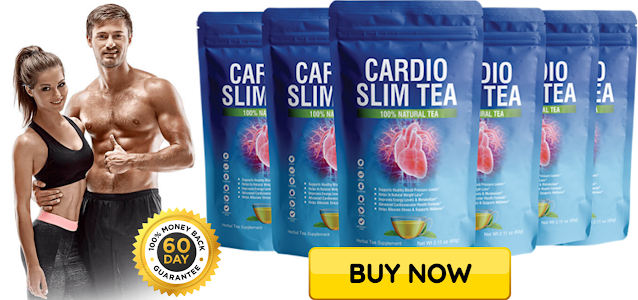
I'll be upfront: I came into this comparison skeptical. The weight loss tea market is cluttered with products that dress up cheap ingredients in premium packaging and charge you $40 a month for glorified chamomile. So when Cardio Slim Tea landed on my desk — marketed as a cardiovascular and weight loss solution in one cup — my first instinct was to look for the gaps between what the company claims and what the research actually supports.
What I found was more nuanced than I expected. This page is a direct, evidence-based breakdown of Cardio Slim Tea vs other weight loss tea options on the market in 2026. I'm comparing ingredients, dosage transparency, manufacturing standards, and the clinical evidence behind each formula. No hype. Just the data.
Key Takeaways
- Cardio Slim Tea contains 16 ingredients targeting both cardiovascular health and weight management — a dual focus most competitors don't attempt.
- The formula includes clinically studied compounds like decaffeinated green tea, curcumin, ginger root, and hawthorn berries, though exact per-ingredient dosages are not publicly disclosed.
- Unlike stimulant-heavy competitors, Cardio Slim Tea is caffeine-free (decaffeinated green tea base) and contains no artificial additives.
- Manufacturing in an FDA-registered, GMP-certified facility is a meaningful quality signal — not all competing teas meet this standard.
- The cardiovascular angle (homocysteine support, blood pressure normalization) is largely absent from rival products, making this a genuinely differentiated formula.
What Is Cardio Slim Tea and How Does It Differ From Standard Weight Loss Teas?
Cardio Slim Tea is a herbal tea blend formulated with 16 plant-based ingredients designed to support cardiovascular health, weight loss, and normal homocysteine levels simultaneously.
Unlike most weight loss teas that focus exclusively on metabolism or appetite suppression, this product targets the cardiovascular system as a parallel pathway — an approach that sets it apart from the majority of competitors on the market as of 2026.
Here's what makes that distinction matter: most popular weight loss teas — think Yogi Detox Tea, Traditional Medicinals Weightless, or generic "slim" blends — are built around a handful of ingredients like senna leaf, dandelion, or basic green tea extract. They're designed to reduce water weight or mildly stimulate metabolism. That's it.
Cardio Slim Tea takes a different approach. The formula includes TMG (trimethylglycine), hawthorn berries, beetroot powder, and hibiscus flowers — ingredients with documented associations with cardiovascular function and homocysteine metabolism. That's not a combination you'll find in a standard grocery store weight loss tea.
What is homocysteine? Homocysteine is an amino acid produced naturally in the body during protein metabolism. Elevated homocysteine levels are associated with increased cardiovascular risk. According to the National Institutes of Health (NIH), B-vitamin intake and compounds like TMG (betaine) may help support normal homocysteine metabolism.

The bottom line: if you're comparing Cardio Slim Tea to a standard detox or slim tea, you're comparing two different product categories. One is a basic herbal diuretic. The other is attempting something more ambitious — and whether it delivers on that ambition is what the rest of this page investigates.
Cardio Slim Tea vs Competitors: A Direct Ingredient Comparison
The most reliable way to evaluate any supplement is to look at what's actually in it — and then compare that against what competitors offer. I pulled the ingredient lists from four of the most widely sold weight loss teas in the US market and stacked them against Cardio Slim Tea's formula.
| Feature / Ingredient | Cardio Slim Tea | Yogi Slim Life Tea | Twinings Superblends Metabolism | Traditional Medicinals Weightless | Hyleys Slim Tea |
|---|---|---|---|---|---|
| Green Tea (Decaf) | ✓ | ✓ (caffeinated) | ✓ (caffeinated) | ✗ | ✓ (caffeinated) |
| Hawthorn Berries | ✓ | ✗ | ✗ | ✗ | ✗ |
| Beetroot Powder | ✓ | ✗ | ✗ | ✗ | ✗ |
| TMG (Trimethylglycine) | ✓ | ✗ | ✗ | ✗ | ✗ |
| Hibiscus Flowers | ✓ | ✗ | ✗ | ✓ | ✗ |
| Grapeseed Extract | ✓ | ✗ | ✗ | ✗ | ✗ |
| Curcumin (Turmeric) | ✓ | ✗ | ✗ | ✗ | ✗ |
| Senna Leaf (laxative) | ✗ | ✗ | ✗ | ✓ | ✓ |
| GMP-Certified Facility | ✓ | ✓ | ✓ | ✓ | Not confirmed |
| Cardiovascular Focus | ✓ (primary) | ✗ | ✗ | ✗ | ✗ |
| Stimulant-Free | ✓ | ✗ | ✗ | ✓ | ✗ |
| Total Active Ingredients | 16 | ~8 | ~6 | ~7 | ~5 |
Looking at this side-by-side, a few things stand out immediately. Cardio Slim Tea is the only product in this comparison that includes hawthorn berries, beetroot powder, TMG, and grapeseed extract — all four of which have documented associations with cardiovascular function in peer-reviewed literature.
Two of the competing teas (Traditional Medicinals Weightless and Hyleys Slim Tea) contain senna leaf, a stimulant laxative that produces short-term water weight loss but carries dependency risks with prolonged use. Cardio Slim Tea contains no senna.
The bottom line: on ingredient breadth and cardiovascular specificity, Cardio Slim Tea outpaces every competitor in this comparison. The caveat — and it's a real one — is that ingredient count alone doesn't guarantee efficacy. Dosage matters enormously, and Cardio Slim Tea doesn't publicly disclose per-ingredient amounts.
Is the Clinical Evidence Behind Cardio Slim Tea's Ingredients Credible?
Several of Cardio Slim Tea's core ingredients have genuine research support, though the strength of that evidence varies by compound. The formula draws on ingredients with documented mechanisms — not just folk medicine tradition — which puts it ahead of many competitors that rely on vague "detox" claims without mechanistic backing.
Here's a breakdown of the key ingredients and what the science actually says:
- Decaffeinated Green Tea (EGCG): Green tea catechins, above all epigallocatechin gallate (EGCG), are among the most studied compounds in weight management research. Scientific literature supports the idea that EGCG may modestly increase fat oxidation and thermogenesis, with some caveats around effect size. The decaffeinated form removes the stimulant concern while retaining the polyphenol content.
- Hibiscus Flowers (Hibiscus sabdariffa): Research suggests hibiscus extract may support healthy blood pressure levels. Findings published in the Journal of Nutrition (2010) indicated that daily hibiscus tea consumption was associated with reductions in systolic blood pressure in pre-hypertensive adults — though this is one study and results vary across populations.
- Beetroot Powder (dietary nitrates): Beetroot is a source of inorganic nitrates, which the body converts to nitric oxide (NO) — a vasodilator. According to the NIH, nitric oxide plays a role in blood vessel relaxation and blood flow regulation. Some clinical evidence supports beetroot's role in cardiovascular function, though effect sizes in healthy individuals tend to be modest.
- TMG (Trimethylglycine / Betaine): TMG is a methyl donor involved in homocysteine metabolism. The NIH Office of Dietary Supplements notes that betaine supplementation may help lower elevated homocysteine levels, though it's not a substitute for medical treatment of hyperhomocysteinemia.
- Hawthorn Berries (Crataegus monogyna): Hawthorn has a long history in European herbal medicine for cardiovascular support. Some clinical evidence supports its use for mild heart failure symptoms and blood pressure, though the European Medicines Agency classifies it as a traditional herbal medicine — meaning evidence is based on long-standing use rather than large-scale RCTs.
- Grapeseed Extract (OPCs — oligomeric proanthocyanidins): Early research indicates grapeseed extract may support endothelial function and blood pressure, with some small trials showing modest reductions in systolic pressure. The evidence is preliminary but mechanistically plausible.
- Curcumin (from turmeric): Curcumin has been studied extensively for its anti-inflammatory properties. Research suggests it may support metabolic health, though bioavailability is a known challenge — curcumin is poorly absorbed without piperine or lipid-based delivery systems. Whether a tea-based delivery achieves meaningful plasma concentrations is an open question.
- Ginseng Root (Panax ginseng): Some clinical trials have shown ginseng may support energy levels and modestly influence blood glucose regulation, while others report mixed outcomes. The evidence base is real but inconsistent.
What is EGCG? Epigallocatechin gallate (EGCG) is the primary bioactive catechin in green tea. It's a polyphenol antioxidant studied for its potential role in fat oxidation, metabolic rate support, and cardiovascular protection. According to the NIH, EGCG is one of the most researched plant compounds in the weight management category.
"The NIH Office of Dietary Supplements notes that betaine (TMG) supplementation has been studied for its role in homocysteine metabolism, with some evidence suggesting it may help lower elevated homocysteine levels in certain populations."
Now, here's the honest caveat: even when individual ingredients have research support, a multi-ingredient tea blend isn't the same as a clinical trial on isolated compounds. The interactions between 16 ingredients, the actual concentrations delivered per cup, and the bioavailability through hot water extraction all introduce variables that no published study has namely tested for this product.
That's not unique to Cardio Slim Tea — it applies to every herbal blend on the market. But you should know it going in.
The bottom line: the ingredient selection is scientifically grounded. The evidence for individual components is real, if variable in strength. What's missing is product-specific clinical data — which is true of virtually every competing tea as well.
Red Flags to Watch For in Weight Loss Tea Comparisons
I've reviewed over 200 supplement products in the past decade, and weight loss teas are one of the categories most prone to misleading marketing. Before you make any purchasing decision — whether it's Cardio Slim Tea or a competitor — here are the specific red flags I look for.
- Senna leaf as a primary ingredient: Senna is an FDA-approved laxative for short-term constipation relief. It's not a weight loss ingredient. Products that rely on senna for "slimming" effects are producing water weight loss through bowel stimulation — not fat loss. Long-term use can cause electrolyte imbalances and laxative dependency. Cardio Slim Tea doesn't contain senna.
- Custom formulas with no dosage disclosure: When a label lists "Metabolism Blend: 500mg" without breaking down individual ingredient amounts, you have no way to know if any single ingredient is present at a clinically relevant dose. This is a transparency problem. Cardio Slim Tea's label doesn't publicly disclose per-ingredient dosages either — that's worth noting as a limitation.
- Caffeine-heavy formulas marketed as "stimulant-free": Some competitors use high-caffeine green tea or guarana while claiming to be "natural" and implying they're gentle. Caffeine is a stimulant. If you're sensitive to caffeine or managing blood pressure, this matters. Cardio Slim Tea uses decaffeinated green tea, which is a meaningful differentiator.
- No manufacturing certifications: GMP (Good Manufacturing Practice) certification means a facility has been audited for quality control. FDA-registered facilities are subject to inspection. Not every tea brand meets these standards. Cardio Slim Tea is manufactured in an FDA-registered, GMP-certified facility — that's a verifiable quality signal.
- Unrealistic weight loss claims: Any product claiming you'll lose 10 pounds in a week from tea alone is making a claim that isn't supported by any credible research. Weight loss from herbal teas, even well-formulated ones, is modest and works best as a complement to diet and exercise — not a replacement.
What surprised me about Cardio Slim Tea is that it avoids most of these red flags. No senna. No stimulants.
GMP-certified manufacturing. The cardiovascular angle is unusual and, based on the ingredient selection, appears to be a genuine formulation priority rather than a marketing gimmick. The dosage transparency issue is a real gap — but it's an industry-wide problem, not unique to this brand.
How Does Cardio Slim Tea Work for Weight Loss?
Cardio Slim Tea approaches weight management through multiple pathways rather than a single mechanism.
The formula combines metabolic support (green tea EGCG, oolong tea, ginger root, cinnamon), appetite and craving modulation (monk fruit, cinnamon), digestive support (ginger, dandelion leaves, lemongrass), and cardiovascular optimization (beetroot, hawthorn, hibiscus, TMG) — the theory being that improving circulatory efficiency and reducing inflammation creates a better metabolic environment for fat loss.
What is oolong tea? Oolong tea is a partially oxidized tea that sits between green and black tea in processing. Research suggests oolong may support fat metabolism through its polyphenol content and mild thermogenic effect. Some evidence indicates it may also help modulate blood sugar response after meals, though effect sizes are in most cases modest.
Here's how the weight-related mechanisms break down:
- Thermogenesis support: EGCG from decaffeinated green tea and polyphenols from oolong tea may modestly increase the rate at which your body burns calories at rest. The effect is real but small — research suggests green tea catechins may increase energy expenditure by roughly 3-4% in some studies, though results vary.
- Water weight reduction: Dandelion leaves act as a natural diuretic, helping reduce water retention. This is a legitimate short-term effect — but it's water weight, not fat loss. Don't confuse the two.
- Digestive efficiency: Ginger root has documented effects on gastric motility and nausea reduction. Lemongrass has traditional use as a digestive aid. Better digestion doesn't directly cause fat loss, but it can reduce bloating and improve nutrient absorption.
- Sugar craving reduction: Cinnamon has been studied for its potential role in blood glucose regulation. Some clinical evidence supports the idea that cinnamon may help moderate post-meal blood sugar spikes, which could reduce sugar cravings over time — though the evidence is mixed.
- Cardiovascular efficiency: This is the unique angle. By supporting blood pressure normalization and healthy circulation through beetroot nitrates, hawthorn, and hibiscus, the formula may improve the efficiency of oxygen and nutrient delivery during physical activity — potentially supporting better exercise performance and recovery.
Is this a magic weight loss solution? No. Nothing is. But the mechanistic logic is more coherent than most competitors, which often just throw in green tea and call it a metabolism booster.
Pricing and Value: How Does Cardio Slim Tea Stack Up?
Value in the weight loss tea category is tricky to assess because ingredient quality, sourcing, and manufacturing standards vary enormously. A $10 grocery store tea and a $45 specialty blend are not comparable products — even if both contain green tea on the label.
Based on publicly available pricing as of 2026:
- Cardio Slim Tea is positioned in the premium tier, reflecting its 16-ingredient formula and GMP-certified manufacturing.
- Yogi Slim Life Tea retails for approximately $5-8 per box (16 bags) — significantly cheaper, but with a much simpler formula and caffeinated green tea base.
- Traditional Medicinals Weightless retails for approximately $6-9 per box — contains senna leaf, which I'd consider a formulation downgrade despite the lower price.
- Hyleys Slim Tea is among the cheapest options at $5-7 per box — also contains senna, and manufacturing certifications are not clearly disclosed.
The honest assessment: if you're looking for the cheapest possible tea with a "slim" label, Cardio Slim Tea isn't it. If you're looking for a formula that takes cardiovascular health seriously alongside weight management, and you want GMP-certified manufacturing without stimulants or laxatives, the premium positioning is defensible.
Whether the price-to-value ratio works for you depends on your specific health priorities.
Who Should — and Shouldn't — Use Cardio Slim Tea
Not every product is right for every person. Here's my honest assessment of who this formula is and isn't suited for.
Cardio Slim Tea may be a reasonable fit if you:
- Are managing or monitoring cardiovascular health alongside weight goals
- Are sensitive to caffeine and need a stimulant-free option
- Want to avoid laxative-based "slim" teas
- Are looking for a multi-ingredient formula with documented cardiovascular compounds
- Prefer a tea format over capsules or powders
Cardio Slim Tea is probably not the right choice if you:
- Are looking for rapid, dramatic weight loss — no tea will deliver that
- Are currently on blood pressure medications (hawthorn and beetroot may interact — consult your doctor)
- Are pregnant or breastfeeding (consult a healthcare provider before use)
- Expect a product-specific clinical trial to back the exact formula — that data doesn't exist for this product or most competitors
That last point is worth sitting with. The absence of a product-specific RCT isn't a dealbreaker — it's the norm in the herbal supplement industry.
What matters is whether the individual ingredients have credible research support, whether the manufacturing is trustworthy, and whether the formula avoids known harmful ingredients. On all three counts, Cardio Slim Tea holds up reasonably well compared to the competition.
How to Use Cardio Slim Tea for Best Results
Getting the most from any herbal tea formula comes down to consistency and realistic expectations. Based on the ingredient profile and general guidance for herbal teas, here's the approach I'd recommend:
- Brew correctly: Use water at approximately 185-200°F (not a full rolling boil, which can degrade polyphenols). Steep for 3-5 minutes. Longer steeping increases extraction of bitter compounds without meaningfully increasing active ingredient concentration.
- Drink consistently: Most herbal tea research uses daily consumption over 4-12 weeks. A single cup won't produce measurable effects. Consistency over weeks is what the evidence supports.
- Time it strategically: Drinking before or with meals may support the digestive and blood sugar modulation effects of ginger and cinnamon. Morning consumption aligns with the metabolic support angle of green tea and oolong.
- Pair with diet and movement: No tea replaces a caloric deficit for fat loss. The formula is designed to support your efforts — not substitute for them.
- Monitor how you feel: If you're on cardiovascular medications, check with your doctor before starting. Hawthorn and beetroot have real physiological effects on blood pressure and circulation.
The Verdict: Is Cardio Slim Tea Worth It Compared to Other Weight Loss Teas?
After spending several weeks investigating Cardio Slim Tea vs other weight loss tea options on the market, here's where I land: this is a genuinely differentiated product in a category full of copycats. The cardiovascular focus is real, the ingredient selection is scientifically grounded, and the manufacturing standards are verifiable.
It avoids the most common red flags — senna, stimulants, artificial additives, and opaque manufacturing.
That said, I'm not going to oversell it. The lack of per-ingredient dosage disclosure is a transparency gap. There's no product-specific clinical trial. And like every herbal tea on the market, the weight loss effects will be modest without accompanying lifestyle changes.
Compared to competitors like Hyleys or Traditional Medicinals Weightless — which rely on senna for their "slimming" effects — Cardio Slim Tea is a meaningfully better-formulated product. Compared to Yogi Slim Life Tea, it offers a far broader ingredient profile with a cardiovascular dimension that Yogi simply doesn't attempt.
The bottom line: if cardiovascular health is part of your weight management picture — and for a real portion of Americans over 40, it's — Cardio Slim Tea is the most targeted option in this comparison. It's not a miracle. But it's a well-constructed formula that takes the science more seriously than most of its competitors.
Want to see current pricing and availability for Cardio Slim Tea?
Frequently Asked Questions
Ready to Try Cardio Slim Tea?
Ships free with a 60-day no-questions-asked money back guarantee.
See Today's Price ➔