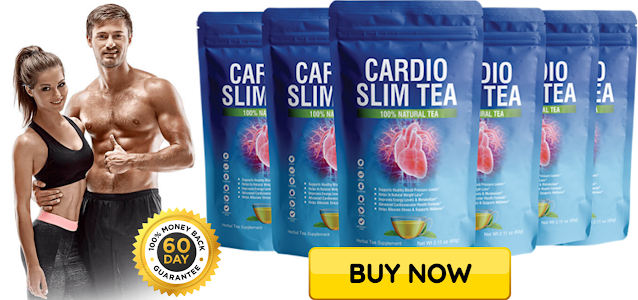
I'll be upfront with you: I've spent the better part of my career reading supplement labels and cross-referencing them against clinical data. So when a product like Cardio Slim Tea lands on my desk claiming to support cardiovascular health, normalize blood pressure, and promote fat loss — all from a single herbal tea blend — my first instinct isn't excitement. It's skepticism. Let me walk you through what I actually found.
The green tea benefits for heart health conversation is one of the most researched areas in nutritional science. That's both good and bad. Good because there's real data to examine. Bad because marketers know this and routinely overstate what that data actually proves. If you're considering a heart-focused tea supplement, you need to know the difference.
Key Takeaways
- Research suggests green tea catechins — above all EGCG — may support cardiovascular function, though effect sizes vary across studies.
- Decaffeinated green tea preserves most of the beneficial polyphenols while removing stimulant-related risks, making it a more appropriate choice for people with blood pressure concerns.
- Cardio Slim Tea uses a 15-ingredient blend including decaffeinated green tea, beetroot, hawthorn berries, and hibiscus — all of which have some degree of cardiovascular research behind them.
- The product is manufactured in an FDA-registered, GMP-certified facility with no artificial stimulants — a baseline credibility marker worth noting.
- No tea supplement replaces medical treatment. If you have diagnosed cardiovascular disease, talk to your doctor before adding any herbal product to your routine.
What Does the Research Actually Say About Green Tea and Heart Health?
Green tea contains a class of polyphenols called catechins, with epigallocatechin gallate (EGCG) being the most studied. Research suggests these compounds may support cardiovascular health through several mechanisms, including antioxidant activity, endothelial function support, and modest effects on LDL oxidation.
According to the NIH's National Center for Complementary and Integrative Health, green tea has been studied for its potential effects on cholesterol and blood pressure, though they note the evidence isn't yet conclusive for clinical recommendations.
Here's what the data scene actually looks like. A meta-analysis published in the European Journal of Nutrition (2020) examined multiple randomized controlled trials and found that green tea consumption was associated with modest reductions in LDL cholesterol and blood pressure in some populations — but the effect sizes were small and varied considerably depending on dosage, duration, and baseline health status. That's the honest read. Not a miracle. Not useless. Somewhere in between.
What caught my attention when reviewing Cardio Slim Tea in particular was the decision to use decaffeinated green tea rather than standard green tea extract. That's actually a meaningful formulation choice — and I'll explain why in a moment.
The bottom line: Green tea polyphenols show genuine promise for cardiovascular support in the research literature, but the effect sizes are modest and dose-dependent. Products that use clinically relevant amounts of the right compounds are worth examining. Products that just sprinkle in "green tea" for label appeal are not.
Why Decaffeinated Green Tea Matters for Cardiovascular Support

Decaffeinated green tea retains the majority of its beneficial catechins — including EGCG — while removing most of the caffeine content. This matters for cardiovascular applications because high caffeine intake can acutely raise blood pressure in some individuals, which works directly against the goal of heart health support. For people already managing blood pressure concerns, a stimulant-free formula is a more sensible approach.
Decaffeinated Green Tea Cardiovascular Research: What We Know
The decaffeination process, when done correctly, preserves roughly 80-90% of the catechin content according to food science literature, though the exact retention depends on the method used (CO2 extraction tends to preserve more polyphenols than solvent-based methods). Cardio Slim Tea doesn't specify which decaffeination method is used — that's a transparency gap worth flagging.
That said, the core rationale is sound. If you're drinking a tea namely for cardiovascular support, removing the compound most likely to spike your heart rate and blood pressure acutely makes clinical sense. Research published in the Journal of the American Heart Association has examined the relationship between caffeine and blood pressure variability — and for sensitive individuals, even moderate caffeine can produce measurable short-term increases.
Cardio Slim Tea's use of decaffeinated green tea alongside other non-stimulant ingredients like chamomile, lemongrass, and monk fruit suggests the formulator was thinking about this.
Whether the dosage of decaffeinated green tea in the blend is sufficient to deliver meaningful catechin levels — that's the question I can't fully answer without a certificate of analysis, which the company should make publicly available.
In short: Decaffeinated green tea is a smarter choice than caffeinated extract for a heart-focused formula. The research supports the polyphenol mechanisms. The missing piece is dosage transparency.
How Does Green Tea Affect Blood Pressure?
Green tea's potential effects on blood pressure are linked primarily to its catechin content and its influence on nitric oxide bioavailability. Nitric oxide helps relax blood vessel walls, which can support healthy blood pressure levels.
Some clinical evidence suggests regular green tea consumption may be associated with modest reductions in both systolic and diastolic blood pressure, though results across studies are inconsistent.
Green Tea Blood Pressure: The Clinical Picture
A 2014 meta-analysis published in the British Journal of Nutrition pooled data from 25 randomized controlled trials and found that green tea consumption was associated with a mean reduction of approximately 1.98 mmHg in systolic blood pressure and 1.92 mmHg in diastolic blood pressure. Those are statistically measurable findings — but let's be honest about what they mean in practice. A 2 mmHg reduction isn't going to normalize severely elevated blood pressure. It's a supportive effect, not a therapeutic one.
Cardio Slim Tea's marketing claim about "normalizing blood pressure to 120/80" is the kind of language that makes me uncomfortable. No herbal tea blend is going to reliably normalize blood pressure to a specific target in all users.
What the ingredients may do — and the research does support this to varying degrees — is provide modest, cumulative support for healthy blood pressure when combined with appropriate diet and lifestyle habits.
The other ingredients in Cardio Slim Tea that have blood pressure-relevant research behind them include:
- Hibiscus Flowers — Among the more studied herbal ingredients for blood pressure. Some clinical trials have shown hibiscus tea consumption associated with reductions in systolic blood pressure, with findings published in journals including the Journal of Nutrition. Effect sizes vary, but the evidence base is more consistent than for many herbal ingredients.
- Beetroot Powder — Contains dietary nitrates that the body converts to nitric oxide. Research suggests beetroot supplementation may support endothelial function and blood pressure regulation. The NIH has acknowledged this mechanism in its dietary supplement fact sheets.
- Hawthorn Berries — Used in traditional cardiovascular herbalism for centuries. Some evidence indicates hawthorn extract may support heart function and mild blood pressure normalization, though large-scale clinical trial data is limited.
What stands out here is combination of these ingredients alongside decaffeinated green tea creates a formula with multiple overlapping mechanisms — which is either a smart synergistic approach or a case of too many ingredients at sub-therapeutic doses. Without knowing the exact amounts of each ingredient, it's impossible to say definitively.
The bottom line: Green tea alone produces modest blood pressure effects in the research. Cardio Slim Tea pairs it with hibiscus and beetroot — two ingredients with stronger blood pressure evidence — which strengthens the all in all formula rationale. The specific claim of "normalizing to 120/80" is marketing language, not a clinical guarantee.
The Full Ingredient Profile: What's in Cardio Slim Tea?
Cardio Slim Tea contains 15 plant-based ingredients. That's a lot for a single tea blend, and it raises a legitimate question: are these ingredients present at meaningful doses, or is this a case of label decoration? Here's my breakdown of the key components and what the research says about each.
Core Cardiovascular Ingredients
What is EGCG? Epigallocatechin gallate (EGCG) is the primary bioactive catechin in green tea. It functions as a potent antioxidant and has been studied for effects on LDL oxidation, endothelial function, and metabolic rate. It's the compound most researchers focus on when studying green tea cardiovascular effects.
What is TMG (Trimethylglycine)? TMG, also called betaine, is a compound that supports the methylation cycle and may help reduce homocysteine levels in the blood. Elevated homocysteine is associated with increased cardiovascular risk. According to the NIH, betaine supplementation has shown the ability to lower plasma homocysteine in clinical studies.
What is Grapeseed Extract? Grapeseed extract is rich in oligomeric proanthocyanidins (OPCs), a class of polyphenols with antioxidant properties. Some clinical evidence suggests grapeseed extract may support healthy blood pressure and endothelial function, though study quality varies.
The inclusion of TMG is actually one of the more interesting formulation choices here. Most heart-focused supplements ignore homocysteine entirely, even though elevated homocysteine is a recognized cardiovascular risk marker.
Cardio Slim Tea to be exact calls out homocysteine support as a benefit — and TMG has legitimate research behind it for this purpose. That's a point in the product's favor.
Weight Loss and Metabolic Support Ingredients
Several ingredients in Cardio Slim Tea target the weight management side of the formula. Green tea's role in weight loss is one of the more studied areas in nutritional science — and the evidence, while real, is often overstated.
Research suggests that green tea catechins, especially when combined with caffeine, may modestly increase thermogenesis and fat oxidation. The key phrase there is "combined with caffeine" — which creates an interesting tension in a decaffeinated formula.
Without caffeine, the thermogenic combination that most green tea weight loss studies rely on is reduced. Some evidence indicates catechins alone still have metabolic effects, but the effect size is smaller.
Other metabolic ingredients in the blend include:
- Ginseng Root — Some research suggests ginseng may support energy levels and metabolic function, though the evidence for direct fat loss is limited.
- Curcumin — The active compound in turmeric, curcumin has anti-inflammatory properties and some preliminary research suggests it may support metabolic health. Bioavailability is a known challenge with curcumin — it's poorly absorbed without piperine or a lipid delivery system.
- Cinnamon — Some clinical evidence supports cinnamon's role in blood sugar regulation, which can indirectly support weight management by reducing sugar cravings.
- Dandelion Leaves — Primarily a diuretic, dandelion may help reduce water weight. This is a short-term effect, not fat loss.
- Oolong Tea — Like green tea, oolong contains polyphenols and some caffeine. It has been studied for metabolic effects, with some evidence suggesting it may support fat oxidation.
Actually, let me back up on the curcumin point. The bioavailability issue is real and worth flagging. If Cardio Slim Tea doesn't include a bioavailability enhancer for curcumin, you may be getting very little of the active compound into your bloodstream regardless of how much is in the formula. This is a common formulation oversight in multi-ingredient blends.
Cardio Slim Tea vs. Competing Heart Health Teas: A Comparison
As of 2026, the market for cardiovascular-focused tea supplements has grown considerably. Here's how Cardio Slim Tea stacks up against four common alternatives based on publicly available ingredient and formulation information.
| Product | Key Cardiovascular Ingredients | Decaffeinated? | Homocysteine Support | GMP Certified | Ingredient Count |
|---|---|---|---|---|---|
| Cardio Slim Tea | Decaf green tea, beetroot, hibiscus, hawthorn, grapeseed, TMG | Yes | Yes (TMG) | Yes | 15 |
| Generic Green Tea Extract Supplement | Green tea extract (EGCG) | Varies | No | Varies | 1-3 |
| Hibiscus Tea Blends | Hibiscus, rosehip | Yes (naturally) | No | Varies | 2-5 |
| Hawthorn Berry Supplements | Hawthorn berry extract | N/A (capsule) | No | Varies | 1-2 |
| Beetroot Powder Supplements | Beetroot (dietary nitrates) | N/A (powder) | No | Varies | 1-3 |
Cardio Slim Tea is in particular broader in its cardiovascular ingredient coverage than most single-ingredient alternatives. The inclusion of TMG for homocysteine support is a differentiator that most competing products don't address.
That said, broader isn't always better — a 15-ingredient formula spread across a single tea serving may mean each ingredient is present at a lower dose than you'd get from a targeted single-ingredient supplement. That's the core trade-off you need to weigh.
Green Tea and Weight Loss: What the Evidence Actually Supports
Green tea's role in weight management is one of the most marketed claims in the supplement industry — and also one of the most nuanced. Research does support a modest effect on fat oxidation and metabolic rate, primarily attributed to the combination of catechins and caffeine.
The effect size in most studies is small: some meta-analyses suggest green tea supplementation may support an additional 75-100 calories of energy expenditure per day, which is meaningful over time but not dramatic on its own.
Green Tea Weight Loss: Realistic Expectations
Here's what you need to know if weight loss is part of your reason for considering Cardio Slim Tea. The decaffeinated green tea in this formula removes the caffeine-catechin pairing that drives most of the thermogenic research.
Some evidence indicates catechins alone still support fat oxidation through AMPK pathway activation and other mechanisms — but the effect is likely smaller than what you'd see with caffeinated green tea extract at clinical doses.
The formula compensates somewhat with oolong tea, which does contain some caffeine naturally, and with ginseng and cinnamon for metabolic support. Whether this combination achieves a meaningful thermogenic effect is something I can't confirm without knowing the exact ingredient amounts.
What I can say is that the weight loss mechanism here is more about metabolic support and appetite regulation (via cinnamon's blood sugar effects and the general satiety of a warm beverage ritual) than about aggressive fat burning. That's actually a more honest and sustainable approach than the "melt fat fast" claims you see from some competitors.
The bottom line: If you're expecting dramatic weight loss from Cardio Slim Tea, you'll likely be disappointed. If you're looking for a daily ritual that supports metabolic health alongside a reasonable diet, the formula has a more credible case to make.
Red Flags to Watch For With Any Heart Health Tea
I want to be direct with you here, because this is where most review sites go soft. There are legitimate concerns to raise about any multi-ingredient herbal tea marketed for cardiovascular health, and Cardio Slim Tea isn't exempt from scrutiny.
What the Company Isn't Fully Transparent About
- House blend vs. disclosed dosages — If the product uses a in-house formula without disclosing individual ingredient amounts, you have no way to verify whether any ingredient is present at a clinically relevant dose. This is the single biggest red flag in supplement formulation. I'd strongly encourage you to check the label for specific milligram amounts before purchasing.
- Curcumin bioavailability — As noted earlier, curcumin without a bioavailability enhancer (like piperine or a phospholipid complex) is poorly absorbed. If the formula doesn't address this, the curcumin inclusion may be more label appeal than functional benefit.
- "Normalizes blood pressure to 120/80" claim — This is aggressive marketing language. No herbal tea blend has been clinically tested to normalize blood pressure to a specific target in all users. The FDA hasn't approved any supplement for this purpose. Treat this claim with appropriate skepticism.
- Third-party testing — GMP certification means the manufacturing process meets quality standards. It doesn't mean the finished product has been independently tested for potency, purity, or contaminants. Look for a Certificate of Analysis (COA) from an independent lab before purchasing any supplement.
- Interaction potential — Several ingredients in this formula — including hawthorn, hibiscus, and ginseng — have known potential interactions with cardiovascular medications including blood pressure drugs and blood thinners. If you're on any cardiac medication, this isn't a product to try without consulting your physician first.
None of these concerns are unique to Cardio Slim Tea — they apply to the entire category. But they're worth raising because the cardiovascular supplement space attracts people who are genuinely worried about their heart health, and that population deserves honest information, not just enthusiasm.
How to Use Cardio Slim Tea for Best Results
If you've reviewed the evidence and decided to try Cardio Slim Tea, here's a practical approach based on how the ingredients are likely to work best. The tea itself has a pleasant profile — the combination of lemon, mint, chamomile, and lemongrass creates a clean, slightly floral flavor with a mild herbal finish.
It's not medicinal-tasting, which matters for daily compliance. The natural sweetness from monk fruit means you don't need to add sugar.
Brewing and Dosing Protocol
- Brew at the right temperature — Green tea polyphenols are best preserved at water temperatures around 160-180°F (70-80°C), not boiling. Boiling water can degrade some catechins. Let your kettle cool for 2-3 minutes after boiling before pouring.
- Steep for 3-5 minutes — Longer steeping extracts more polyphenols but can also increase bitterness. Three to five minutes is the practical sweet spot for both flavor and extraction.
- Drink consistently — Most of the cardiovascular research on green tea involves regular, daily consumption over weeks to months. A single cup won't move the needle. Consistency is the mechanism.
- Time it strategically — Drinking the tea 30 minutes before a meal may support the blood sugar regulation effects of cinnamon and the appetite-modulating effects of the warm beverage itself.
- Don't replace medications — This should go without saying, but I'll say it anyway: if you're on blood pressure medication or any cardiac drug, Cardio Slim Tea is a potential complement to your regimen, not a replacement. Discuss any supplement additions with your healthcare provider.
The sensory experience of the tea is genuinely pleasant — the lemon and mint notes are forward, the chamomile adds a calming background note, and the on the whole impression is of a well-crafted herbal blend rather than a medicinal product. That matters for long-term use. If it tastes good, you'll actually drink it every day.
Is Cardio Slim Tea Worth It? My Honest Assessment
After reviewing the ingredient profile, the available research, and the formulation choices, here's where I land. Cardio Slim Tea is a more thoughtfully constructed product than most in this category. The use of decaffeinated green tea for a cardiovascular formula is the right call.
One inclusion of TMG for homocysteine support is genuinely differentiated. The combination of hibiscus, beetroot, and hawthorn alongside green tea creates overlapping cardiovascular mechanisms that are at least plausible based on the research.
What I'm not sold on: the blood pressure normalization claim is overstated, the curcumin bioavailability question is unresolved, and without a published COA showing individual ingredient dosages, I can't confirm the formula delivers clinically relevant amounts of the key compounds.
Worth it? For someone looking for a daily cardiovascular-supportive tea ritual with a clean ingredient profile and no artificial stimulants — yes, it's a reasonable option. For someone expecting pharmaceutical-grade blood pressure control from a tea bag — no supplement is going to deliver that, and you should be skeptical of any product that implies otherwise.
The green tea benefits for heart health are real, documented, and modest. Cardio Slim Tea builds on that foundation with a multi-ingredient approach that has more going for it than most competitors. Just go in with calibrated expectations.
Ready to Try Cardio Slim Tea?
The product is manufactured in an FDA-registered, GMP-certified facility with no artificial chemicals or stimulants. If you're looking for a cardiovascular-supportive tea blend backed by a multi-ingredient formula, it's worth checking out.
Check Current Pricing → — See Current Pricing & AvailabilityFrequently Asked Questions
Ready to Try Cardio Slim Tea?
Ships free with a 60-day no-questions-asked money back guarantee.
See Today's Price ➔