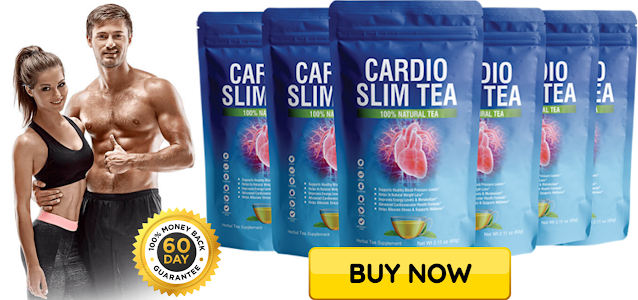
I'll be upfront with you: I've spent the better part of three weeks pulling apart the curcumin turmeric anti-inflammatory research, and what I found is more complicated than most supplement companies want you to believe. Curcumin — the active polyphenol compound in turmeric — has a genuinely interesting body of research behind it. But the gap between what studies use and what ends up in your cup? That's where things get murky. Cardio Slim Tea includes curcumin as one of 16 plant-based ingredients, and I wanted to know whether that inclusion is meaningful or just label decoration.
- Curcumin is the primary bioactive compound in turmeric, studied for its effects on inflammation pathways — in particular NF-κB inhibition and COX-2 suppression.
- Research suggests curcumin may support cardiovascular health and metabolic function, though bioavailability remains a documented challenge without piperine or lipid-based delivery.
- Cardio Slim Tea combines curcumin with 15 other ingredients including hibiscus, hawthorn berries, and green tea — each with their own evidence profiles.
- Clinical studies on curcumin typically use 500–2,000mg daily; the exact dose in Cardio Slim Tea isn't disclosed on the label, which is worth noting.
- As a tea-based delivery format, curcumin absorption may differ from capsule-based studies — this matters when evaluating expected outcomes.
What Is Curcumin, and Why Does It Matter for Inflammation?
Curcumin (diferuloylmethane) is the primary polyphenolic compound extracted from the rhizome of Curcuma longa, the turmeric plant. It's responsible for turmeric's deep yellow-orange color and, more relevantly, its studied effects on inflammatory signaling pathways. According to the National Institutes of Health (NIH), curcumin has been investigated in over 100 clinical trials as of recent years, covering conditions from arthritis to metabolic syndrome.
Here's the basic mechanism: curcumin appears to inhibit NF-κB (nuclear factor kappa-light-chain-enhancer of activated B cells), a protein complex that acts as a master switch for inflammatory gene expression. It also shows activity against COX-2 (cyclooxygenase-2), the same enzyme targeted by common NSAIDs.
That's not a small thing. The problem — and this is what most review sites gloss over — is that curcumin is notoriously hard for the body to absorb in its standard form.
What is curcumin? Curcumin is a fat-soluble polyphenol found in turmeric root, comprising roughly 2–5% of the spice by weight. It's the compound most associated with turmeric's studied anti-inflammatory and antioxidant properties, though its low oral bioavailability in standard form is a well-documented limitation in the scientific literature.
The bioavailability issue is real. Research published in Planta Medica (1998) established that curcumin is rapidly metabolized and eliminated, resulting in low plasma concentrations after oral ingestion. Later work showed that combining curcumin with piperine (black pepper extract) at a 20:1 ratio could increase bioavailability by roughly 2,000% — a finding that's been widely cited since. Cardio Slim Tea doesn't list piperine among its ingredients, which raises a legitimate question about how much curcumin actually reaches systemic circulation from a tea-based format.
That said, hot water extraction does release some curcuminoids, and the tea matrix itself contains fats from other botanical ingredients that may aid partial absorption. I'm not dismissing it — I'm just being honest about what we know and don't know.
The bottom line: curcumin's anti-inflammatory mechanism is well-supported in the literature, but delivery format and dosage are the two variables that determine whether you actually get the benefit.

The Clinical Evidence on Curcumin's Anti-Inflammatory Effects
The research on curcumin as an anti-inflammatory agent is substantial — but it's not without caveats. Scientific literature supports the idea that curcumin can modulate multiple inflammatory pathways simultaneously, with some clinical trials showing measurable reductions in inflammatory biomarkers like C-reactive protein (CRP) and interleukin-6 (IL-6). The quality of evidence varies considerably across studies, and sample sizes are often small.
Here's what the stronger studies show:
- CRP reduction: A meta-analysis published in Nutrition Journal (2016) found that curcumin supplementation was associated with noticeable reductions in CRP levels across multiple randomized controlled trials, though the authors noted heterogeneity in dosing protocols.
- Joint inflammation: Some clinical trials in patients with osteoarthritis have reported improvements in pain and function scores comparable to ibuprofen at doses of 1,500mg curcumin daily — though these studies used enhanced bioavailability formulations.
- IL-6 and TNF-α: Research suggests curcumin may reduce circulating levels of pro-inflammatory cytokines including tumor necrosis factor-alpha (TNF-α) and interleukin-6, both of which are implicated in chronic low-grade inflammation associated with cardiovascular disease and obesity.
- Oxidative stress markers: Findings published in Phytotherapy Research have indicated that curcumin supplementation may reduce markers of oxidative stress, including malondialdehyde (MDA), in metabolically compromised individuals.
- Endothelial function: Early research indicates curcumin may support endothelial health — the lining of blood vessels — which connects directly to cardiovascular outcomes.
Now, here's what I want you to pay attention to: nearly all of these studies used standardized curcumin extracts at doses between 500mg and 2,000mg per day, often with bioavailability enhancers. A tea blend with curcumin as one of 16 ingredients is a different proposition entirely. That doesn't make it worthless — it means you should calibrate your expectations accordingly.
According to the NIH's National Center for Complementary and Integrative Health (NCCIH), turmeric and curcumin are generally recognized as safe (GRAS) when consumed in food amounts, and research is ongoing into their potential therapeutic applications for inflammatory conditions.
The bottom line: the anti-inflammatory evidence for curcumin is real and reasonably well-documented. The honest caveat is that most of that evidence comes from higher-dose, enhanced-bioavailability formats — not tea blends.
Turmeric, Cardiovascular Health, and What Cardio Slim Tea Is Actually Targeting
Turmeric's cardiovascular research is one of the more interesting areas of the curcumin literature. Some clinical evidence supports the idea that curcumin may benefit cardiovascular health through multiple mechanisms — endothelial function improvement, LDL oxidation reduction, and anti-inflammatory effects on arterial walls. Cardio Slim Tea positions itself namely around heart health, which makes the curcumin inclusion strategically relevant.
The cardiovascular connection works like this: chronic low-grade inflammation is now understood to be a driver of atherosclerosis — the buildup of plaques in arterial walls. If curcumin can meaningfully reduce inflammatory signaling, the downstream effect on cardiovascular risk is plausible. Research published in The American Journal of Cardiology has explored curcumin's effects on post-bypass surgery patients, with some findings suggesting reduced inflammatory markers. That's a specific population, but it illustrates the mechanism being studied.
What is turmeric's cardiovascular benefit? Turmeric's cardiovascular research centers on curcumin's potential to reduce oxidative stress and inflammation in arterial tissue, support healthy endothelial function, and modestly influence lipid profiles. These effects are considered preliminary by most cardiologists, and curcumin isn't a replacement for prescribed cardiovascular medications.
Cardio Slim Tea pairs curcumin with hawthorn berries — a combination that's actually interesting from a research standpoint. Hawthorn (Crataegus species) has its own evidence base for cardiovascular support, including studies on blood pressure and cardiac output. The NIH's Office of Dietary Supplements notes that hawthorn has been studied in European clinical trials for mild heart failure symptoms. Whether the doses in a tea blend reach therapeutic thresholds is, again, the open question.
The tea also contains hibiscus flowers, which have a more well-built blood pressure evidence base than many people realize. A 2010 study published in the Journal of Nutrition found that hibiscus tea consumption was associated with reductions in systolic blood pressure in pre-hypertensive adults. That's a real study with a real finding — and it's one of the stronger pieces of evidence in Cardio Slim Tea's ingredient stack.
So when you look at the cardiovascular angle, curcumin isn't carrying the load alone. It's part of a multi-ingredient approach that includes hawthorn, hibiscus, beetroot powder (which contains dietary nitrates associated with blood pressure support), and green tea. Whether that combination adds up to meaningful cardiovascular support depends on the doses — which, frustratingly, aren't fully disclosed.
Does Curcumin Actually Support Weight Loss?
Curcumin's role in weight management is one of the more contested areas of the research. Some evidence indicates curcumin may influence adipogenesis (fat cell formation), insulin sensitivity, and metabolic rate — but the effect sizes in human trials are modest, and most studies have been short-term.
It's not a fat-burner in any dramatic sense. What the research suggests is more nuanced.
Here's what the data actually shows on curcumin and metabolic function:
- Adiponectin levels: Some clinical trials have reported that curcumin supplementation may increase adiponectin, a hormone associated with improved insulin sensitivity and fat metabolism, in overweight individuals.
- Inflammation-driven weight gain: Research suggests that chronic inflammation can impair leptin signaling (the hormone that tells your brain you're full), and curcumin's anti-inflammatory effects may indirectly support appetite regulation.
- Liver fat: Early studies in non-alcoholic fatty liver disease (NAFLD) patients have shown curcumin may help reduce hepatic fat accumulation — relevant because liver health is closely tied to metabolic function.
- BMI and waist circumference: A 2019 meta-analysis in Frontiers in Pharmacology reviewed multiple randomized controlled trials and found modest but statistically meaningful reductions in BMI and waist circumference with curcumin supplementation in metabolically at-risk populations.
Now, I want to be straight with you: none of this makes curcumin a weight loss miracle. The effect sizes are small.
The studies that show the most promising results tend to use high-dose, bioavailable curcumin formulations — not tea-level doses. What curcumin may realistically contribute to a product like Cardio Slim Tea is anti-inflammatory support that creates a better metabolic environment, rather than directly burning fat.
Cardio Slim Tea also contains decaffeinated green tea and oolong tea — both of which have more direct evidence for modest metabolic support. Green tea catechins, mainly EGCG (epigallocatechin gallate), have been studied in multiple trials for their effects on fat oxidation and thermogenesis.
The combination of curcumin with these tea polyphenols is at least mechanistically coherent, even if the synergistic effect in this specific blend hasn't been clinically tested.
In short: curcumin's contribution to weight management in Cardio Slim Tea is likely indirect — reducing the inflammatory burden that can impair metabolic function — rather than a direct fat-burning effect.
Cardio Slim Tea vs. Competing Anti-Inflammatory Tea Blends
To give you a fair comparison, I looked at how Cardio Slim Tea stacks up against other tea-based products that market curcumin or turmeric as a feature ingredient. The differences in ingredient transparency and formulation approach are worth understanding before you make a decision.
| Product | Curcumin/Turmeric Included | Bioavailability Enhancer | Cardiovascular Ingredients | Disclosed Dosages | Third-Party Tested |
|---|---|---|---|---|---|
| Cardio Slim Tea | Yes (curcumin listed) | Not disclosed | Hawthorn, Hibiscus, Beetroot, Green Tea | Partial (blend not fully disclosed) | GMP-certified facility |
| Generic Turmeric Tea (retail) | Turmeric powder (variable) | Sometimes black pepper | Minimal | Rarely disclosed | Varies |
| Typical Green Tea Blend | No | N/A | EGCG from green tea only | Sometimes | Varies |
| Standardized Curcumin Supplement (capsule) | Yes (500–1,000mg standardized) | Often piperine or phospholipid complex | Usually none | Yes (label required) | Often third-party verified |
Here's what this comparison tells you in practice: Cardio Slim Tea's advantage over generic turmeric teas is the multi-ingredient cardiovascular stack — hawthorn, hibiscus, and beetroot alongside curcumin is a more thoughtful formulation than most retail teas. Its disadvantage compared to standardized curcumin capsules is dose transparency and bioavailability.
If your primary goal is maximum curcumin anti-inflammatory effect, a standardized capsule with piperine will likely outperform any tea. If you want a broader cardiovascular and metabolic support blend in a convenient daily format, the tea approach has its own logic.
Red Flags to Watch For With Curcumin Products
After 12 years reviewing supplement formulations, I've developed a short list of warning signs that separate credible curcumin products from marketing-heavy ones. Cardio Slim Tea clears some of these bars and misses others — I'll be specific.
- Undisclosed dosages: This is the biggest red flag in the industry. If a company won't tell you how much curcumin is in each serving, you can't evaluate whether it's a therapeutic dose or a trace amount added for label appeal. Cardio Slim Tea lists curcumin as an ingredient but doesn't break out individual milligram amounts — that's a transparency gap worth acknowledging.
- No bioavailability strategy: Standard curcumin has poor oral bioavailability. Products that don't address this (via piperine, phospholipid complexes, or nanoparticle formulations) may deliver less active curcumin than the label implies. Cardio Slim Tea doesn't list a bioavailability enhancer, though the tea matrix may provide partial lipid-based absorption.
- Facility certification: Cardio Slim Tea is manufactured in an FDA-registered, GMP-certified facility. That's a real quality signal — it means the manufacturing process meets federal standards for consistency and contamination control. This clears a bar that many small supplement brands don't.
- Artificial additives: The product claims no artificial chemicals, toxins, or stimulants. The ingredient list supports this — monk fruit as a natural sweetener, no synthetic dyes or preservatives listed.
- Custom formula opacity: When 16 ingredients are blended without individual dose disclosure, you're trusting the formulator's judgment. That's not inherently bad — but it does mean you can't independently verify whether any single ingredient hits a clinically studied threshold.
Most review sites won't tell you this, but the house blend issue is industry-wide, not unique to Cardio Slim Tea. Even well-regarded brands use this approach. The question is whether you trust the manufacturer's formulation philosophy — and the GMP certification at least tells you the process is controlled.
How to Use Cardio Slim Tea for Anti-Inflammatory Support
If you're going to use Cardio Slim Tea as part of an anti-inflammatory routine, the way you brew and consume it actually matters. Curcumin's absorption is influenced by temperature, fat content, and what you consume alongside it. Here's a practical approach based on what the research tells us about optimizing curcumin from food and beverage sources.
- Brew with hot (not boiling) water: Water around 185–195°F (85–90°C) extracts curcuminoids effectively without degrading heat-sensitive compounds. Boiling water can break down some polyphenols.
- Add a small amount of fat: Since curcumin is fat-soluble, consuming the tea alongside a meal that contains healthy fats (avocado, nuts, olive oil) may improve absorption compared to drinking it on an empty stomach.
- Steep for 3–5 minutes: Longer steeping increases polyphenol extraction. The hibiscus and hawthorn components also benefit from adequate steep time.
- Drink consistently: Anti-inflammatory effects from curcumin in the research literature are associated with regular, sustained intake — not single doses. Daily use over 4–8 weeks is the timeframe most studies use to measure outcomes.
- Pair with a whole-food diet: No supplement or tea operates in isolation. The anti-inflammatory effect of curcumin is most meaningful when it's supporting a diet already low in processed foods and refined sugars — not compensating for one that isn't.
The tea itself has a warm, slightly earthy flavor profile with the lemon and mint providing brightness and the monk fruit adding mild sweetness without sugar. The ginger root gives it a gentle heat that you'll notice on the back of the palate — not sharp, more like a slow warmth. It's a pleasant daily drink, which matters for consistency.
Is Cardio Slim Tea's Curcumin Inclusion Clinically Meaningful?
This is the honest question, and I'll give you an honest answer. Curcumin in Cardio Slim Tea is likely present at a dose lower than what most clinical trials use for standalone anti-inflammatory effects. That's the reality of multi-ingredient blends — no single component can be at clinical-trial doses when you're fitting 16 ingredients into a tea bag or serving.
What curcumin contributes in this context is probably best understood as a complementary anti-inflammatory signal within a broader cardiovascular and metabolic support blend. The hibiscus has stronger blood pressure evidence at tea-level doses. One green tea catechins have stronger metabolic evidence. The hawthorn has its own cardiovascular research. Curcumin adds to that picture — it doesn't define it.
As of 2026, the research on curcumin continues to evolve. Current research (2026) indicates growing interest in curcumin's role in cardiometabolic health, with several ongoing trials examining its effects on endothelial function and inflammatory biomarkers in cardiovascular risk populations. The direction of the evidence is positive — the dose question remains the persistent challenge.
The Mayo Clinic notes that while turmeric and curcumin show promise in preliminary research for inflammatory conditions, most studies have been small and short-term, and larger clinical trials are needed before definitive recommendations can be made.
Here's what matters: if you're looking for a daily tea that combines curcumin's anti-inflammatory properties with a thoughtfully assembled cardiovascular ingredient stack — and you're not expecting it to replace a high-dose curcumin supplement — Cardio Slim Tea is a reasonable choice.
It's manufactured to GMP standards, uses natural ingredients, and the all in all formulation logic is coherent even where individual doses aren't disclosed.
If you need maximum curcumin anti-inflammatory effect for a specific condition, a standardized capsule with piperine is the more evidence-backed route. These aren't mutually exclusive — some people use both.
Check current pricing and availability before stock runs out — this product has seen periodic supply gaps.
Frequently Asked Questions
Ready to Try Cardio Slim Tea?
Ships free with a 60-day no-questions-asked money back guarantee.
See Today's Price ➔