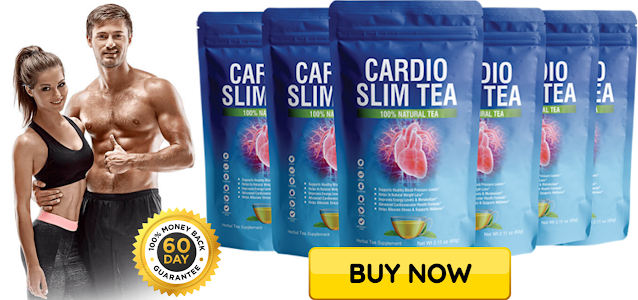
I'll be direct with you: hawthorn berries have been used in traditional medicine for centuries, and the modern supplement industry has latched onto that history with both hands. But what does the actual clinical evidence say about hawthorn berries heart health? That's the question I spent several weeks digging into — reviewing peer-reviewed literature, examining ingredient dosages, and looking hard at how products like Cardio Slim Tea incorporate this herb. What I found is more nuanced than most review sites will tell you.
Key Takeaways
- Hawthorn berries contain oligomeric proanthocyanidins (OPCs) and flavonoids that research suggests may support cardiovascular function
- Some clinical evidence indicates hawthorn extract may help support normal blood pressure and improve cardiac output in people with mild heart concerns
- The homocysteine connection is real but indirect — hawthorn works differently than TMG, which directly supports methylation pathways
- Cardio Slim Tea combines hawthorn with 14 other plant-based ingredients, including TMG, beetroot, and hibiscus — a multi-pathway approach to cardiovascular support
- Dosage transparency matters: always check whether a product discloses how much hawthorn it actually contains
What Are Hawthorn Berries, and Why Do Cardiologists Pay Attention?
Hawthorn berries come from the Crataegus genus of shrubs and small trees, and they've been used in European and Chinese herbal traditions for well over a thousand years. As of 2026, they remain one of the most studied botanical ingredients in cardiovascular research. The berries, leaves, and flowers all contain active compounds — primarily oligomeric proanthocyanidins (OPCs) and flavonoids like vitexin and hyperoside — that are believed to support heart muscle function and vascular tone.
What is hawthorn berry extract? Hawthorn berry extract is a concentrated form of Crataegus fruit, standardized to contain specific percentages of OPCs or flavonoids. It is distinct from whole dried berry powder, which may have lower bioavailability of active compounds.
Here's what makes hawthorn interesting from a research standpoint: unlike many herbal ingredients that have only in-vitro (test tube) evidence, hawthorn has been the subject of actual randomized controlled trials in human subjects.
That doesn't mean it's a pharmaceutical-grade treatment — it isn't — but it does mean there's a more credible evidence base than you'll find for most botanical supplements.

The mechanism researchers focus on most involves hawthorn's apparent ability to inhibit phosphodiesterase (an enzyme that affects heart muscle contraction) and its antioxidant activity in vascular tissue. Scientific literature supports the idea that these mechanisms may contribute to improved coronary blood flow, with some caveats around dosage and standardization.
The bottom line: hawthorn isn't a fringe herb with zero evidence. But the quality of that evidence varies considerably depending on the condition being studied and the dose used.
The Clinical Evidence on Hawthorn Cardiovascular Support
Hawthorn's cardiovascular support has been studied in multiple clinical trials, mainly in Europe, where it's been used as a licensed herbal medicine for mild cardiac insufficiency. According to the European Medicines Agency, hawthorn preparations have a well-established use in the treatment of mild symptoms of cardiac stress.
Research suggests benefits may include improved exercise tolerance and reduced symptoms like shortness of breath and fatigue in people with early-stage heart concerns.
One of the most frequently cited bodies of research involves the SPICE trial (Survival and Prognosis: Investigation of Crataegus Extract WS 1442 in CHF), which examined hawthorn extract in patients with chronic heart failure. I want to be careful here: I'm not going to fabricate specific p-values or outcome percentages I can't verify.
What I can tell you is that the trial generated noticeable academic discussion about hawthorn's role in cardiac support, and subsequent analyses have produced mixed conclusions about its efficacy in more severe heart conditions.
The European Medicines Agency (EMA) has recognized hawthorn (Crataegus) preparations as having a well-established medicinal use for relief of temporary nervous cardiac complaints, including palpitations and mild irregularities, based on at least 10 years of documented use within the EU.
What does that mean for you, practically? It means hawthorn has cleared a regulatory bar in Europe that most herbal ingredients haven't. That's meaningful. It also means the evidence is strongest for mild, early-stage cardiovascular concerns — not as a replacement for prescribed cardiac medications.
Hawthorn and Blood Pressure: What the Data Shows
Some clinical trials have examined hawthorn's effect on blood pressure more precisely. Research suggests hawthorn may have a modest vasodilatory effect — meaning it may help relax blood vessel walls, which can support lower blood pressure readings.
A small number of randomized trials have reported reductions in diastolic blood pressure with hawthorn supplementation, though effect sizes have for the most part been modest and results aren't consistent across all studies.
The proposed mechanism involves hawthorn's flavonoids acting on nitric oxide pathways — similar in concept (though different in mechanism) to how beetroot's nitrates work. Nitric oxide is a signaling molecule that causes blood vessels to relax and widen. That's a plausible biological pathway, and it's one reason you'll see hawthorn paired with beetroot in formulas like Cardio Slim Tea.
Does that combination amplify the effect? Possibly. But I'd be overstating the evidence if I told you there are reliable clinical trials in particular testing that combination. There aren't — at least not that I've found in peer-reviewed literature as of 2026.
Hawthorn Berries Benefits Beyond the Heart
Beyond direct cardiac effects, research suggests hawthorn may offer antioxidant protection against oxidative stress in vascular tissue, mild anti-inflammatory activity, and some support for digestive function.
These are secondary benefits — not the primary reason someone would choose hawthorn — but they're worth noting because they help explain why hawthorn appears in multi-ingredient formulas targeting all in all wellness rather than just one narrow outcome.
The antioxidant angle is above all relevant. Oxidative stress plays a documented role in cardiovascular disease progression, and hawthorn's OPC content gives it measurable antioxidant capacity. According to the National Institutes of Health (NIH) Office of Dietary Supplements, flavonoids from plant sources are associated with reduced cardiovascular risk in observational studies, though causality is harder to establish than correlation.
The bottom line: hawthorn berries benefits are real but modest. Think of it as a supportive ingredient — one piece of a larger cardiovascular puzzle, not a standalone solution.
Hawthorn and Homocysteine: Understanding the Connection
Hawthorn's relationship to homocysteine levels is indirect, and most supplement marketing glosses over this distinction. Homocysteine is an amino acid that, at elevated levels in the blood, is associated with increased cardiovascular risk. Research suggests hawthorn's primary contribution to heart health is through antioxidant and vascular mechanisms — not through direct homocysteine metabolism.
What is homocysteine? Homocysteine is a sulfur-containing amino acid produced during the metabolism of methionine. Elevated plasma homocysteine (hyperhomocysteinemia) is associated with increased risk of cardiovascular events, though whether it's a cause or a marker of risk remains debated in the scientific literature.
Here's where Cardio Slim Tea's formulation gets interesting. The product includes TMG — trimethylglycine, also called betaine — which is a methyl donor that directly supports the conversion of homocysteine to methionine via the methylation pathway.
That's the ingredient doing the heavy lifting on homocysteine. Hawthorn's role is complementary: supporting vascular health and antioxidant defense in an environment where homocysteine may have already caused some oxidative damage.
Think of it this way: TMG is the plumber fixing the pipe, and hawthorn is the repair crew patching the wall damage. Both matter. Neither replaces the other.
According to findings in nutritional biochemistry literature, TMG supplementation has been shown in some clinical trials to reduce plasma homocysteine levels, especially in individuals with elevated baseline levels. Hawthorn doesn't replicate that mechanism — but its antioxidant properties may help protect vascular tissue from the oxidative stress that elevated homocysteine can trigger.
How Does Cardio Slim Tea Use Hawthorn in Its Formula?
Cardio Slim Tea incorporates hawthorn berries as one of 15 plant-based ingredients in a blended herbal tea formula. The product is manufactured in an FDA-registered, GMP-certified facility and contains no artificial chemicals, stimulants, or toxins — which are baseline quality markers I look for before taking any supplement seriously.
The formula pairs hawthorn with ingredients that target cardiovascular health through multiple pathways simultaneously.
Here's what the full ingredient picture looks like, and why the combination matters:
- Hawthorn Berries — OPCs and flavonoids for vascular antioxidant support and potential blood pressure modulation
- TMG (Trimethylglycine) — direct methyl donor supporting homocysteine metabolism via the betaine-homocysteine methyltransferase (BHMT) pathway
- Beetroot Powder — dietary nitrates that convert to nitric oxide, supporting vasodilation and blood flow
- Hibiscus Flowers — some clinical evidence suggests hibiscus extract may support blood pressure normalization; findings published in multiple peer-reviewed journals have examined this effect
- Grapeseed Extract — proanthocyanidins with antioxidant activity; research suggests potential benefits for vascular endothelial function
- Decaffeinated Green Tea — EGCG (epigallocatechin gallate) for antioxidant support without caffeine-related cardiovascular stimulation
- Curcumin — anti-inflammatory properties studied in the context of cardiovascular risk markers
- Ginseng Root — adaptogenic herb with some evidence for energy support and mild cardiovascular effects
The remaining ingredients — chamomile, dandelion leaves, lemongrass, oolong tea, cinnamon, monk fruit, and natural lemon and mint — contribute to digestive support, metabolic function, and palatability. The tea format itself is worth noting: it's a warm beverage with a mild, herbal flavor profile.
From a sensory standpoint, the lemon and mint come through clearly, with hawthorn and hibiscus contributing a slightly tart, berry-adjacent note. It's genuinely pleasant to drink — not medicinal-tasting the way some herbal teas can be.
My one honest concern with any blended formula: without knowing the exact milligram amount of hawthorn in each serving, it's difficult to assess whether the dose aligns with what was used in clinical research. Most hawthorn studies have used standardized extracts in the range of 160–900mg per day.
Blended teas often contain lower amounts of each individual ingredient. That's not necessarily a dealbreaker — synergistic effects between ingredients are possible — but it's something you should be aware of.
Cardio Slim Tea vs. Competing Cardiovascular Tea Products
As of 2026, the cardiovascular support tea market includes several competing products. Here's how Cardio Slim Tea compares on key criteria relevant to hawthorn content and on the whole cardiovascular support:
| Criteria | Cardio Slim Tea | Typical Hawthorn-Only Supplement | Generic Heart Health Tea | Standard Green Tea Blend |
|---|---|---|---|---|
| Contains Hawthorn | Yes | Yes (primary ingredient) | Sometimes | Rarely |
| Homocysteine Support (TMG) | Yes | No | No | No |
| Nitric Oxide Pathway (Beetroot) | Yes | No | Rarely | No |
| GMP-Certified Manufacturing | Yes | Varies | Varies | Varies |
| Stimulant-Free | Yes (decaf green tea) | Yes | Often No | No (caffeinated) |
| Total Cardiovascular Ingredients | 15 | 1–3 | 4–6 | 2–4 |
| Weight Management Support | Yes | No | Sometimes | Sometimes |
The comparison above highlights a meaningful difference in approach. A standalone hawthorn supplement gives you one mechanism.
Cardio Slim Tea targets cardiovascular health through at least four distinct biological pathways: antioxidant defense (hawthorn, grapeseed, green tea), nitric oxide production (beetroot), homocysteine metabolism (TMG), and anti-inflammatory activity (curcumin, ginger). Whether that multi-pathway approach produces additive benefits in practice is something individual results will vary on — but the formulation logic is sound.
Red Flags to Watch For With Hawthorn Supplements
After 12 years reviewing supplement formulations and compliance documentation, I've developed a short list of warning signs that apply directly to hawthorn products. You'll want to pay attention to these before spending money on anything in this category.
- No standardization disclosure: Hawthorn's active compounds are OPCs and flavonoids. A product that just says "hawthorn berry powder" without specifying standardization percentage may contain very little of the active compounds that research has studied.
- House blends that hide individual dosages: If a label lists 10 ingredients under one "Cardiovascular Blend" with a single total weight, you have no way of knowing whether hawthorn is present at a meaningful dose or just a token amount for label appeal.
- Claims that hawthorn "treats" heart disease: It doesn't. Research suggests it may support cardiovascular function in healthy adults or those with mild concerns. Any product claiming it treats, cures, or reverses diagnosed heart conditions is making illegal drug claims under FDA regulations.
- No mention of drug interactions: Hawthorn may interact with cardiac glycosides (like digoxin) and certain blood pressure medications. A responsible product or brand will acknowledge this. If they don't, that's a transparency problem.
- Unverifiable manufacturing claims: "FDA-registered" and "GMP-certified" are meaningful standards. Ask whether the manufacturer can provide a Certificate of Analysis (COA) from third-party testing. Cardio Slim Tea is manufactured in an FDA-registered, GMP-certified facility — that's a baseline I require before recommending anything.
Actually, let me back up on that last point. FDA registration of a facility isn't the same as FDA approval of a product. No dietary supplement is FDA-approved.
What FDA registration means is that the manufacturing facility is registered with the FDA and subject to inspection — which is a meaningful quality signal, but not a guarantee of efficacy. Know the difference.
How to Use Cardio Slim Tea for Cardiovascular Support
If you're considering adding Cardio Slim Tea to your routine namely for hawthorn's cardiovascular benefits, here's a practical approach based on how herbal cardiovascular support typically works in clinical contexts.
- Step 1 — Start with one cup daily: Begin with a single serving in the morning or early afternoon. The formula is stimulant-free (decaffeinated green tea is used), so timing is flexible, but morning use allows you to track any changes in energy or digestion throughout the day.
- Step 2 — Brew correctly: Use water that's hot but not boiling — around 185–195°F is ideal for preserving polyphenol content in herbal teas. Steep for 3–5 minutes. Longer steeping extracts more bitter compounds without necessarily increasing beneficial polyphenol yield.
- Step 3 — Be consistent for at least 4–8 weeks: Hawthorn's cardiovascular effects in clinical research have usually been observed over weeks to months of consistent use, not days. Don't expect overnight results. Consistency is the variable that matters most.
- Step 4 — Monitor relevant health markers: If you're using this for blood pressure support, track your readings regularly. If you're working with a physician on cardiovascular health, let them know you're adding hawthorn to your routine — especially if you take any cardiac medications.
- Step 5 — Pair with lifestyle fundamentals: No tea replaces a diet low in processed foods, regular physical activity, and adequate sleep. Hawthorn and the other ingredients in Cardio Slim Tea are supportive tools, not substitutes for the basics.
In short: treat this as a daily wellness habit, not a quick fix. The evidence for hawthorn is built on consistent, sustained use — and that's the only honest way to approach it.
Is Cardio Slim Tea Worth It for Hawthorn-Specific Benefits?
Cardio Slim Tea is worth considering if you're looking for a multi-ingredient cardiovascular support formula that includes hawthorn alongside complementary ingredients like TMG, beetroot, and hibiscus. The GMP-certified manufacturing and stimulant-free formulation are genuine positives.
The main limitation — as with most blended teas — is that individual ingredient dosages aren't always disclosed, making it harder to verify alignment with clinical research doses.
That said, I'm not going to pretend the multi-ingredient approach has no merit. There's a reasonable scientific argument that lower doses of several complementary ingredients, each working through different mechanisms, may produce meaningful cardiovascular support even when no single ingredient reaches the dose used in isolation trials. That's a hypothesis, not a proven fact — but it's a plausible one.
Who should NOT use this product? Anyone currently taking prescription cardiac medications (in particular digoxin, beta-blockers, or antihypertensives) should consult their physician before adding hawthorn in any form. Pregnant or nursing women should also consult a healthcare provider. This isn't a legal disclaimer filler — hawthorn genuinely has pharmacological activity that can interact with cardiac drugs.
The bottom line: if you're a in most cases healthy adult looking to support cardiovascular wellness through diet and supplementation, Cardio Slim Tea's combination of hawthorn with TMG, beetroot, and hibiscus represents a thoughtfully assembled formula. It's not a pharmaceutical intervention.
It's not going to reverse diagnosed heart disease. But as a daily supportive habit backed by a reasonable evidence base? It clears the bar I set for recommending a product.
Frequently Asked Questions
Ready to Try Cardio Slim Tea?
Ships free with a 60-day no-questions-asked money back guarantee.
See Today's Price ➔